Panther symbolism is closely associated with strength, courage, mystery, independence, protection, and hidden power. Across mythology, folklore, literature, and modern visual culture, the panther represents the ability to move confidently through uncertainty while remaining alert, adaptable, and self-reliant. Its dark appearance, stealthy movements, and reputation as a powerful predator have made it a compelling symbol of authority and the unknown.
The panther holds a special place in human imagination because it combines qualities that may initially seem contradictory. It can represent quietness and intensity, independence and guardianship, or darkness and elegance. Unlike symbols that communicate their meaning openly, the panther often suggests power that does not need to announce itself.
However, panther symbolism does not have one universal interpretation. Its meaning depends on the culture, story, artwork, personal experience, and situation in which it appears. A panther in a myth may represent a supernatural guardian, while a panther in a novel may embody a character’s hidden instincts or struggle for freedom.
Understanding this symbolism helps readers interpret animals in folklore, dreams, spiritual traditions, creative writing, branding, visual communication, and everyday life without confusing cultural beliefs with scientific evidence.
Panther Symbolism: A Quick Answer
Panther symbolism generally represents strength, courage, independence, mystery, protection, and the power of instinct. Its stealth and dark coloration often connect it with the unknown, hidden knowledge, and transformation. Depending on cultural and personal context, a panther can symbolize a protective presence, personal resilience, untamed nature, or the confidence to act without seeking recognition.
What Is a Panther? Understanding the Animal Behind the Symbol
8
Before exploring panther symbolism, it helps to understand the animal itself. The word panther is used in several ways, and this distinction matters when interpreting historical or cultural references.
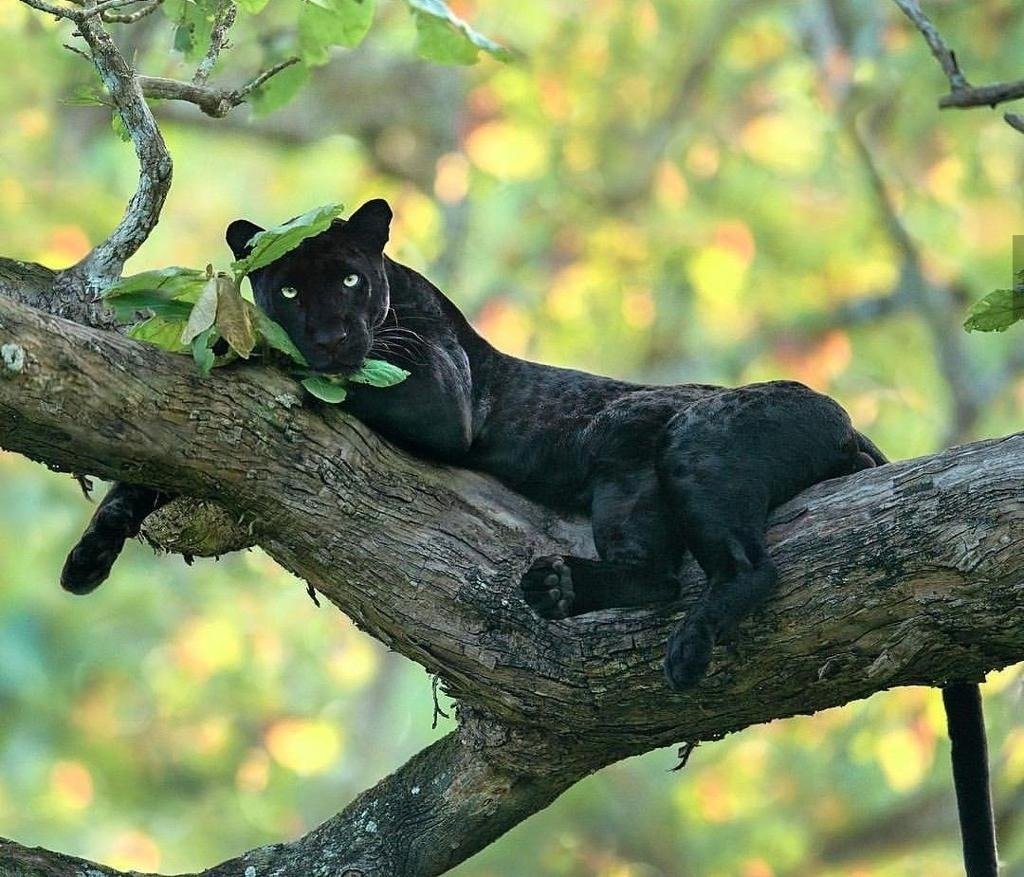
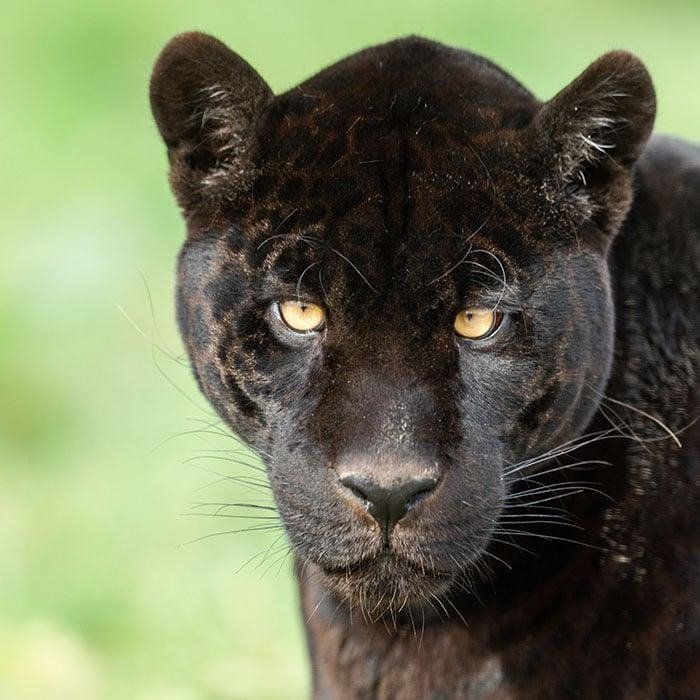
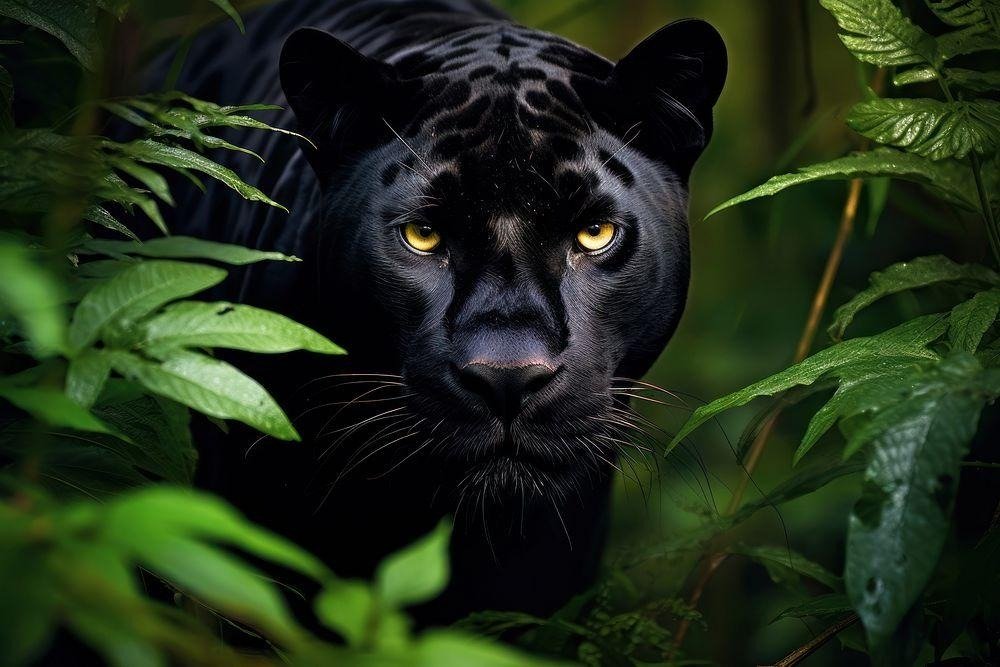
In common usage, a black panther usually refers to a melanistic leopard (Panthera pardus) or jaguar (Panthera onca). Melanism is a genetic condition that causes unusually dark pigmentation. On some black panthers, the underlying coat patterns can still be seen under suitable lighting.
The term panther can also refer to big cats more broadly, depending on the language and context. Therefore, an old story mentioning a panther does not automatically describe a black leopard or black jaguar.
These animals are powerful predators, but their symbolic significance comes from more than physical strength. Their solitary hunting behavior, quiet movement, camouflage, and ability to navigate challenging environments have encouraged people to associate them with patience, awareness, and controlled action.
| Animal characteristic | Common symbolic association | Why the association develops |
| Stealthy movement | Discretion and strategy | The animal moves without attracting unnecessary attention. |
| Physical strength | Courage and resilience | Its muscular body and predatory abilities suggest capability. |
| Dark coat in black panthers | Mystery and the unknown | Darkness often functions as a symbol of what is hidden. |
| Solitary behavior in many contexts | Independence | The animal is often imagined as self-reliant. |
| Keen awareness | Instinct and perception | Hunting requires attention to movement and surroundings. |
| Elusive presence | Secrecy and fascination | An animal that is difficult to observe can become a powerful storytelling symbol. |
These are interpretations, not fixed meanings built into the animal. The distinction between biological facts and symbolic associations is essential for a balanced understanding.
1. The Historical Origins of Panther Symbolism
Panther symbolism developed through people’s encounters with large wild cats, their place in local ecosystems, and the stories communities created to explain the natural world. The panther’s reputation for strength, elusive movement, and potential danger made it an important figure in some societies’ spiritual traditions and artistic representations.
Panther symbolism in ancient and Indigenous traditions
In different Indigenous traditions of North America, large cats have held significant spiritual, social, and mythological roles. Their meanings vary between communities and should not be treated as one shared Indigenous belief.
One notable example is the Key Marco Cat, a wooden figure discovered in Florida in the late nineteenth century. The artifact, associated with the Calusa or Muspa people and dated broadly to between approximately 500 and 1,500 years ago, combines feline and human-like features. It demonstrates the importance of animal imagery in understanding the artistic and spiritual worlds of earlier societies. The precise meaning of the figure remains a matter of interpretation.
National Geographic
Among some Southeastern Native American communities, panthers also appear in oral traditions involving creation, extraordinary abilities, and relationships between humans and the natural world. Certain Cherokee stories associate the panther with exceptional night vision, while Seminole and Miccosukee traditions include important panther-related stories and clan associations. These examples belong to specific cultural contexts; they should not be generalized to all Native American peoples.
National Geographic
Such traditions show how an animal can become more than a representation of physical strength. It can embody knowledge, ancestral relationships, spiritual responsibility, or the power of nature.
Panther imagery in Africa
Across Africa, leopards have appeared in visual art, oral traditions, political imagery, and social institutions. In some contexts, the leopard has represented authority, prestige, leadership, or dangerous power. In others, big cats have been understood through more complex relationships involving protection, threat, healing, and death.
Research on San communities in southern Africa, for example, examines how big-cat imagery can express seemingly opposing ideas: danger and protection, harm and healing, or life and death. This is a useful reminder that animal symbolism rarely fits into a simple list of positive or negative meanings.
Southern African Humanities
It is also important to distinguish the leopard from the lion and other large cats. Although these animals sometimes share symbolic associations, their cultural histories and roles are not interchangeable.
Panther symbolism in the ancient Mediterranean
The panther and leopard appear in ancient Mediterranean art and mythology, particularly in imagery associated with Dionysus, the Greek god connected with wine, festivity, theater, and altered states of ordinary experience.
Leopards and other large cats appear in Dionysian artistic scenes, including representations of the god’s entourage. Within this visual language, the cat can contribute to an atmosphere of wildness, vitality, movement, and release from ordinary social restraints.
This does not mean that every ancient panther image had a single religious meaning. Artists used animal imagery in different ways, and interpretations depend on the surrounding figures, objects, inscriptions, and historical period.
How historical symbolism developed
Several factors help explain why the panther became such a powerful symbol:
- Observation: People noticed the animal’s strength, agility, and elusive behavior.
- Environmental relationships: Encounters with predators could inspire respect, fear, and stories about their abilities.
- Oral tradition: Communities passed animal stories between generations, adapting them to local values.
- Art and ritual: Images gave abstract beliefs a recognizable visual form.
- Social meaning: The animal’s reputation could become associated with leadership, group identity, or status.
The result is not one continuous, universal panther tradition. It is a collection of related but distinct interpretations that developed in different places and periods.
2. The Spiritual Meaning of the Panther

8
The spiritual meaning of a panther often centers on inner strength, intuition, transformation, and protection. In contemporary spiritual writing, the panther is sometimes described as a guardian or guide that encourages people to trust their awareness and move through uncertainty with confidence.
These interpretations belong to spiritual and symbolic belief systems rather than scientifically established claims about supernatural forces.
Panther as a symbol of protection
A panther can represent protection because it is physically capable, alert, and able to defend itself. In a symbolic story, it may appear as a guardian standing between a vulnerable person and a threatening environment.
For example, a writer might introduce a panther into a story when a character begins learning to establish healthy boundaries. The animal becomes a metaphor for protecting one’s time, values, and personal space.
Protection does not necessarily mean aggression. A more thoughtful interpretation emphasizes awareness, preparation, and knowing when to act.
Panther as a symbol of intuition
The panther’s stealthy hunting behavior encourages associations with observation and instinct. Symbolically, it can represent the ability to notice details, pause before making a decision, and recognize patterns that others overlook.
In everyday life, this meaning can be applied to decision-making. Rather than treating intuition as infallible, a balanced interpretation combines experience and careful observation with reasoned judgment.
Panther as a symbol of transformation
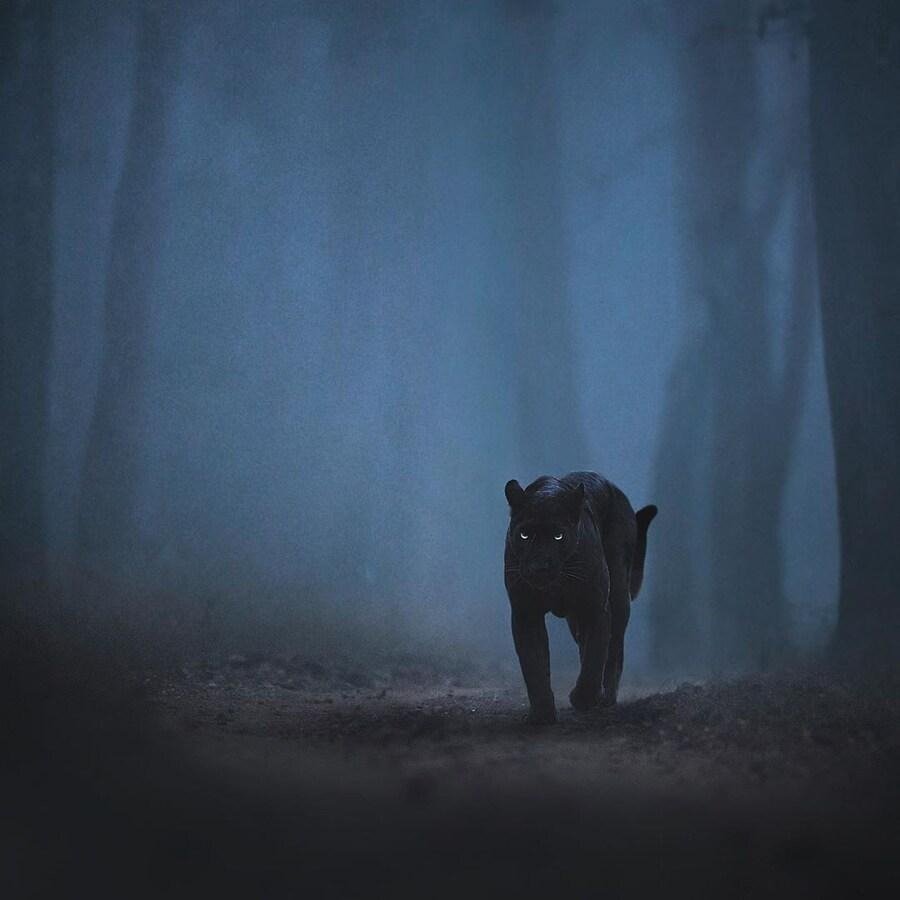
Darkness often functions as a metaphor for uncertainty, change, or aspects of the self that remain unexplored. Because a black panther can be difficult to distinguish in shadow, it naturally lends itself to stories about moving through the unknown.
A panther appearing at a turning point in a novel, for instance, might symbolize a character’s transition from uncertainty toward greater self-understanding.
Transformation does not require a supernatural explanation. It can simply represent the process of learning, adapting, and developing a more mature perspective.
What does the panther mean as a spirit animal?
In some modern spiritual traditions, the phrase spirit animal is used to describe an animal believed to offer symbolic guidance or reflect personal qualities. A panther may be interpreted as representing courage, independence, awareness, or the ability to navigate uncertainty.
However, the term has specific cultural associations in some Indigenous contexts and should not be treated as a universal label for every culture’s relationship with animals. When writing about a particular community, it is more respectful to use that community’s own terminology and sources.
A panther can still serve as a personal symbol without claiming membership in or authority over a tradition to which one does not belong.
3. Panther Symbolism in Psychology
From a psychological perspective, panther symbolism can be explored through the way people interpret animals, darkness, strength, and perceived threats.
Psychology does not establish one universal meaning for seeing a panther in a dream or imagining one during a difficult period. Instead, the animal can be understood as an image whose meaning depends on personal associations and context.
The panther and the idea of the shadow
Carl Jung’s concept of the shadow refers broadly to aspects of the personality that a person does not fully recognize or accept. In a symbolic reading influenced by Jungian psychology, a dark panther might represent hidden emotions, unacknowledged abilities, or parts of the self that need greater understanding.
For example, someone who has learned to avoid disagreement may interpret a panther in a personal story as a representation of assertiveness they have not yet learned to express.
This is an interpretive framework, not a diagnosis. A panther image does not prove that a person is repressing particular feelings or possesses a hidden personality trait.
Power and emotional control
The panther’s strength is often portrayed as controlled rather than noisy. This makes it a useful metaphor for emotional regulation: being capable of responding firmly without reacting impulsively.
Imagine a student who faces criticism during a group project. A panther-inspired interpretation might emphasize staying composed, considering the feedback, and responding thoughtfully instead of immediately becoming defensive.
The lesson is not to suppress emotions. It is to understand them and choose an appropriate response.
Independence and belonging
Because leopards and jaguars are generally solitary outside particular social and reproductive contexts, the panther is often associated with independence.
Psychologically, this can represent self-reliance and comfort with solitude. But independence should not be confused with isolation. People need relationships, support, and cooperation, even when they value personal freedom.
A balanced panther symbol can therefore communicate both autonomy and the wisdom to seek help when needed.
4. Panther Symbolism in Different Cultures
Panther meanings differ according to the animal being represented, the historical period, and the beliefs of the people using the image.
| Cultural or interpretive context | Possible symbolic meanings | Important qualification |
| Some Southeastern Indigenous traditions | Spiritual significance, exceptional abilities, relationships with the natural world | Meanings vary by nation, community, and story. |
| Some African traditions | Authority, prestige, danger, protection, or complex spiritual power | The leopard’s cultural role is not uniform across Africa. |
| Ancient Greek and Roman-influenced art | Wildness, vitality, Dionysian imagery, untamed nature | Interpretation depends on the artwork and its context. |
| Contemporary spiritual writing | Intuition, transformation, personal strength, protection | These are modern interpretations, not universal ancient beliefs. |
| Modern fiction and popular culture | Courage, identity, justice, leadership, hidden power | Meaning depends on the character and narrative. |
| Contemporary design and branding | Confidence, exclusivity, agility, sophistication | These associations reflect design choices and audience perceptions. |
African and Asian interpretations
In areas where leopards have lived alongside human communities, the animal has often been both admired and feared. Its presence in art or social symbolism can reflect its power as a predator, its elusive nature, and its association with authority.
In parts of Asia, leopards have also appeared in artistic and cultural representations, though the details differ by region and period. A leopard depicted in a royal setting, a religious scene, or a modern commercial logo should not automatically be assigned the same meaning.
The most reliable approach is to ask what the image meant within its own setting instead of assuming that every panther represents the same spiritual concept.
Indigenous traditions and respectful interpretation
Animal symbolism is especially important when it belongs to a living community’s cultural identity. Some traditions include knowledge that is specific to particular families, clans, ceremonies, or community histories.
When interpreting a panther motif from an Indigenous artwork, useful questions include:
- Which community created the object?
- What is known about its date and original use?
- Is the interpretation supported by community knowledge, historical documentation, or archaeological evidence?
- Are there multiple interpretations or unresolved questions?
These questions help avoid reducing a living culture to a collection of decorative symbols.
Does the panther symbolize good luck or bad luck?
There is no universal rule that panthers bring good luck or bad luck. A panther may be portrayed as a guardian, a dangerous predator, a powerful leader, or a mysterious presence.
The distinction matters because symbolic beliefs are culturally shaped. An interpretation that emphasizes protection in one story may emphasize danger in another.
A balanced understanding allows both meanings to coexist without presenting either as a scientifically proven prediction of future events.
5. Panther Symbolism in Dreams
Dreams involving panthers can feel memorable because the animal combines strength, stealth, and an unfamiliar presence. Dream interpretation, however, is not an exact science. There is no reliable evidence that a particular panther dream always predicts an event or carries the same message for everyone.
A useful approach is to consider the dream’s emotional tone and connect it with the dreamer’s own experiences.
| Dream scenario | Possible symbolic interpretation | Reflective question |
| Seeing a calm panther | Confidence, awareness, or respect for personal strength | Where am I becoming more confident? |
| Seeing a panther watching from a distance | Feeling observed, cautious, or uncertain | Is there a situation that requires more attention? |
| Seeing a panther in a forest | Exploration, uncertainty, or independence | What unfamiliar situation am I navigating? |
| Seeing a panther protecting someone | Care, boundaries, or responsibility | Whom or what am I trying to protect? |
| Seeing a panther in a cage | A feeling of restriction or controlled potential | Do I feel limited in expressing myself? |
| Seeing a panther in a peaceful setting | A possible sense of composure or acceptance | Where in my life am I finding greater balance? |
These interpretations are possibilities for personal reflection, not established psychological meanings.
What does a black panther in a dream mean?
A black panther in a dream may symbolize mystery, confidence, uncertainty, or a desire to understand something unfamiliar. Its dark appearance can influence the interpretation, especially if darkness already has a strong personal or cultural meaning for the dreamer.
If the dream feels peaceful, the animal might remind the dreamer of confidence or independence. If it feels threatening, it may reflect a general feeling of tension or uncertainty.
Neither interpretation should be treated as a prediction or a diagnosis. Dreams can draw on memories, emotions, recent experiences, and seemingly unrelated mental associations.
6. Panther Symbolism in Religion and Mythology
Panthers appear in various religious and mythological settings, but there is no single panther doctrine shared by all major religions.
It is important to distinguish an animal’s documented role in a particular myth from a modern spiritual interpretation attached to it.
Greek mythology and Dionysus
In ancient Greek mythology, Dionysus is associated with wine, celebration, theater, and the crossing of ordinary social boundaries. Big cats, including leopards, appear in artistic representations connected with Dionysus and his followers.
In this context, the animal may contribute to themes of vitality, wildness, ecstatic celebration, and the relationship between civilization and untamed nature.
The image is especially useful for understanding how an animal’s behavior can be transformed into a visual metaphor. A powerful cat becomes part of a larger artistic vocabulary that communicates the qualities of a deity or the atmosphere of a myth.
Panther symbolism in Christianity
The panther does not have one universal or dominant meaning in Christian teaching. However, animal imagery appears throughout Christian art, medieval bestiaries, and symbolic literature.
Some medieval bestiary traditions assigned moral or religious meanings to animals, sometimes drawing on inherited stories and imaginative descriptions rather than modern zoology. In certain bestiary traditions, the panther was portrayed as an attractive or fragrant creature whose call drew other animals toward it, creating a metaphor associated with Christ. Details varied between texts and versions.
This is a historical example of symbolic interpretation, not a claim that every Christian tradition considers the panther a sacred animal.
Panther symbolism in contemporary spirituality
Modern spiritual writers may interpret the panther as a guide through uncertainty or as a symbol of personal transformation. Such interpretations often draw on the animal’s stealth, strength, and dark coat.
These ideas can be meaningful to individuals, but they should be described as spiritual beliefs rather than universal religious teachings.
The broader lesson is that the same animal can acquire different meanings depending on the narrative framework in which it appears.
7. The Meaning of Black in Panther Symbolism
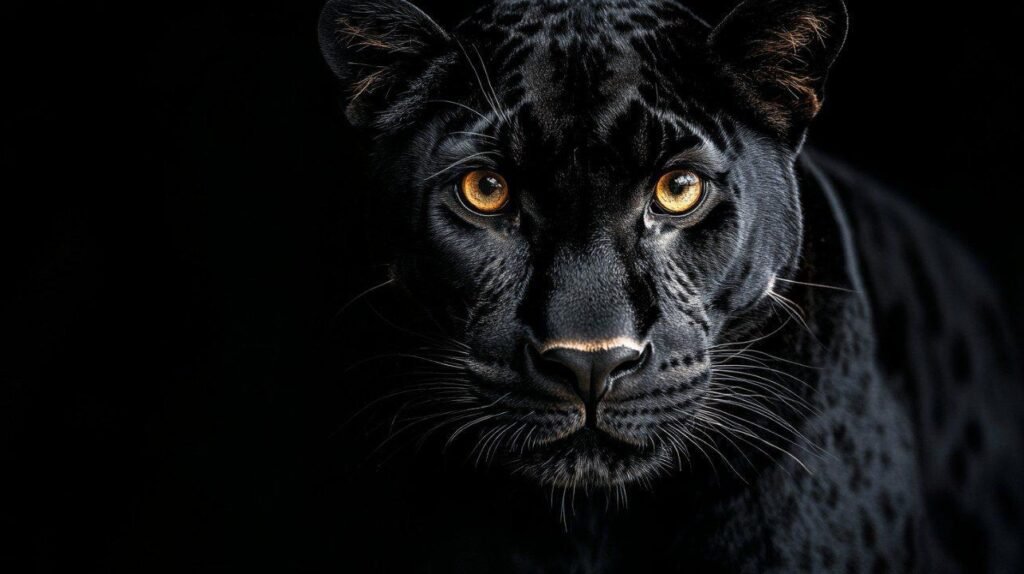
The color black contributes substantially to the symbolism of the black panther. In visual communication, color can influence how viewers interpret an image before they consciously analyze its details.
Black can suggest sophistication, authority, secrecy, grief, formality, danger, or elegance. These associations are influenced by cultural conventions, personal experience, and the way the color is combined with other visual elements.
Black as mystery
A dark panther emerging from a shadowy forest creates a sense of incomplete information. The viewer can see the animal but cannot fully anticipate its movement or intentions.
Artists use this contrast to build suspense. In a film, a barely visible panther may represent an approaching challenge or an unknown force.
Black as elegance and authority
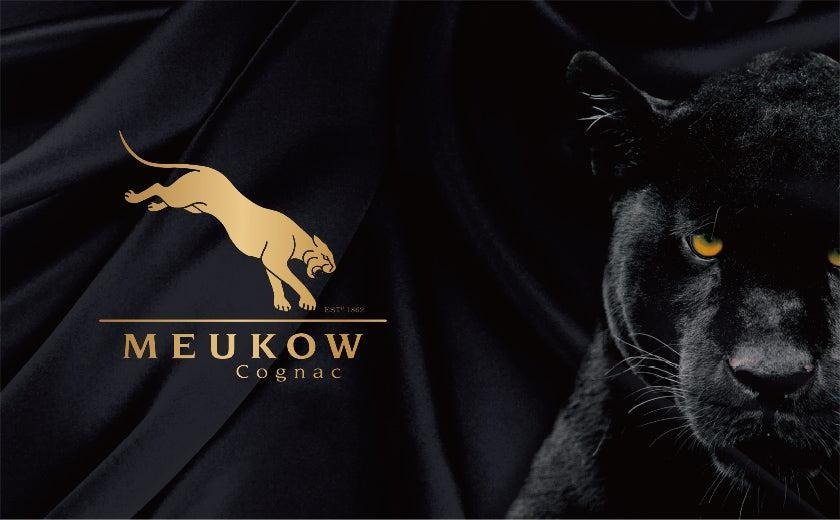
In luxury branding and fashion, black is often used to communicate restraint, refinement, and visual confidence. A panther silhouette can reinforce these associations because the animal’s shape is recognizable and visually dynamic.
A designer might use a black panther icon on a sports team identity to communicate agility and determination. The same design on a luxury product might emphasize exclusivity and sophistication.
Black as the unknown rather than evil
A common mistake is assuming that black necessarily means evil. Although some stories associate darkness with danger, other traditions use it to communicate fertility, protection, depth, authority, or transformation.
The panther’s black coat is a biological trait in melanistic animals, not evidence of moral character. Its association with mystery comes from human interpretation.
8. Panther Symbolism in Art, Literature, and Storytelling
The panther is particularly effective in storytelling because it can communicate an idea without lengthy explanation.
A single image of a panther can establish a character’s relationship with power, nature, secrecy, or independence. Its meaning becomes clearer when readers consider the scene in which it appears.
The panther as a literary symbol
In literature, a panther may perform several symbolic functions:
- A symbol of freedom: The animal represents life outside restrictive social rules.
- A symbol of hidden strength: A character who seems quiet may possess significant determination.
- A symbol of danger: The animal’s presence can signal that a situation is unpredictable.
- A symbol of transformation: Encountering the panther may coincide with a character’s personal development.
- A symbol of isolation: A solitary animal may reflect a character who feels separated from others.
For example, a novelist might introduce a panther during a character’s journey into an unfamiliar landscape. Rather than explicitly stating that the character is confronting fear, the author can use the animal’s presence to reinforce the atmosphere of uncertainty.
This is an example of symbolism working through imagery, context, and emotional association.
Panther symbolism in visual art
Artists may use the panther’s body shape, eyes, movement, and coat to guide the viewer’s attention. A low, crouching pose suggests readiness; an upright, alert pose may communicate vigilance; a relaxed pose can make the animal appear composed rather than threatening.
Composition also matters. A panther placed at the center of an image may dominate the visual hierarchy, while a smaller panther surrounded by dense foliage may suggest secrecy or vulnerability.
In semiotics, the study of signs and meaning, the panther can be understood as a recognizable sign whose interpretation is shaped by context. The image does not carry a complete message independently of its audience.
Panther symbolism in film and popular culture
The panther’s visual power makes it a natural subject for cinema, animation, comics, and video games. Dark lighting, slow movement, close-up shots, and dramatic sound design can turn the animal into a symbol of suspense or controlled power.
The Marvel character Black Panther adds another layer to this symbolism. The fictional hero, particularly through the character of T’Challa and the nation of Wakanda, connects the panther motif with leadership, responsibility, technological imagination, cultural identity, and the protection of a community.
This is a modern fictional interpretation, distinct from the many historical traditions involving leopards and other big cats.
The broader lesson is that contemporary media can renew an old animal symbol by connecting it to new questions about identity, justice, responsibility, and belonging.
9. Panther Symbolism in Philosophy
Philosophically, the panther can represent the tension between instinct and reason, freedom and responsibility, and individual power and social obligations.
These are interpretations rather than established doctrines attached to the animal.
Instinct versus reason
The panther’s hunting behavior may suggest instinctive action, but human stories can use it to explore when instinct should be trusted and when reflection is necessary.
A panther-inspired character might notice a subtle danger immediately, then pause to evaluate the evidence before acting. The combination represents awareness guided by judgment rather than impulse alone.
Freedom versus responsibility
The image of a wild animal moving independently can evoke freedom from unnecessary restrictions. Yet strength also creates responsibilities.
In a leadership story, the panther might represent someone capable of making independent decisions while recognizing that those decisions affect other people.
Visible power versus quiet influence
A panther does not need to roar constantly to be visually commanding. As a metaphor, this suggests that influence does not always depend on volume, status, or public recognition.
The philosophical lesson is not that quiet people are automatically powerful. Rather, effective influence can come from competence, consistency, thoughtful communication, and well-chosen action.
10. Panther Symbolism in Branding, Design, and Marketing

11
Panther imagery has clear potential in branding because it combines an easily recognizable animal silhouette with associations of strength, speed, elegance, and determination.
The meaning depends on the target audience, industry, visual style, and surrounding brand message.
Why brands use panther imagery
A panther logo may communicate:
- Strength: The brand wants to appear capable and dependable.
- Agility: The product or service is associated with quick movement or responsiveness.
- Confidence: The brand wants a bold, self-assured identity.
- Exclusivity: Dark, restrained artwork may suggest premium positioning.
- Competitive energy: A dynamic panther pose may fit a sports or performance identity.
These are design intentions, not guaranteed consumer reactions. Research and audience testing are needed to understand how a particular design is actually perceived.
How to design a meaningful panther logo
A successful panther logo should connect the animal’s symbolism to the brand’s actual purpose.
| Design element | Possible effect | Practical recommendation |
| Minimal silhouette | Clarity and memorability | Simplify details so the icon remains recognizable at small sizes. |
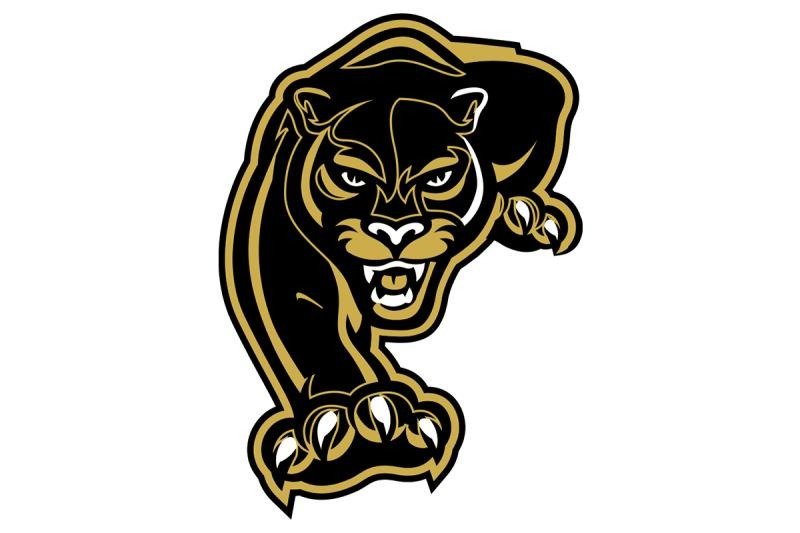
| Gold and black | Luxury and authority | Use contrast carefully and ensure text remains readable. |
| Blue and black | A more technical or composed appearance | Test the palette against the brand’s audience and industry. |
| Forward-facing panther | Directness and confidence | Use when the brand needs a strong, assertive identity. |
| Moving or crouching panther | Energy and agility | Consider for sport, gaming, or performance-oriented brands. |
| Soft, rounded illustration | Approachability | Use when the brand should feel friendly rather than intimidating. |
Expert Tip
Before choosing a panther as a logo, write down three qualities the brand must communicate. For example: reliable, agile, and premium. Then evaluate whether the pose, typography, color palette, and overall composition support those qualities.
Avoid using the animal simply because it looks fierce. A good symbol should help the audience understand the brand, not distract from its purpose.
Panther symbolism in digital communication
Panther imagery can work well in profile pictures, channel logos, gaming avatars, posters, and social media graphics because the animal’s outline is easy to recognize.
However, small digital icons lose detail quickly. For a YouTube profile picture, for example, a simple head silhouette may remain clearer than a complex illustration showing the entire animal in a detailed forest.
The most effective design balances symbolic depth with practical readability.
11. Practical Applications of Panther Symbolism
Panther symbolism can be useful beyond mythology and literature. It offers a framework for thinking about visual communication, personal reflection, education, and creative work.
Personal reflection and goal-setting
The panther can serve as a reminder of qualities such as patience, awareness, courage, and independence.
For example, a person preparing for an important presentation might use the panther as a personal metaphor for staying calm, preparing carefully, and responding confidently to unexpected questions.
The animal does not provide supernatural assistance; the value comes from the meaning the person assigns to it.
Education and cultural literacy
Teachers can use panther imagery to explain how symbols acquire different meanings across historical periods. Students might compare an archaeological artifact, a mythological illustration, and a modern superhero to see how the same animal can communicate different ideas.
This activity introduces several important concepts:
- Anthropology: How human communities relate to animals and the natural world.
- History: How meanings change across time.
- Semiotics: How images function as signs.
- Literary analysis: How writers use animals to communicate themes.
- Visual literacy: How composition, color, and context influence interpretation.
The goal is not to identify one correct meaning for every panther image, but to support interpretations with evidence.
Art and creative writing
Writers and artists can use the panther as a recurring motif. A panther that appears at the beginning, middle, and end of a story might initially represent fear, later represent understanding, and finally symbolize a character’s acceptance of uncertainty.
This development gives the symbol a narrative purpose rather than making it decorative.
Environmental awareness
Panther symbolism can also draw attention to wildlife conservation. Florida panthers, for instance, are a population of cougars, not black leopards or black jaguars. Their conservation history demonstrates how an animal can become an emblem of regional identity and environmental responsibility.
Using panther imagery in educational materials can encourage interest in habitat protection, wildlife corridors, and the relationship between people and ecosystems.
National Geographic
12. Did You Know? Facts About Panther Symbolism
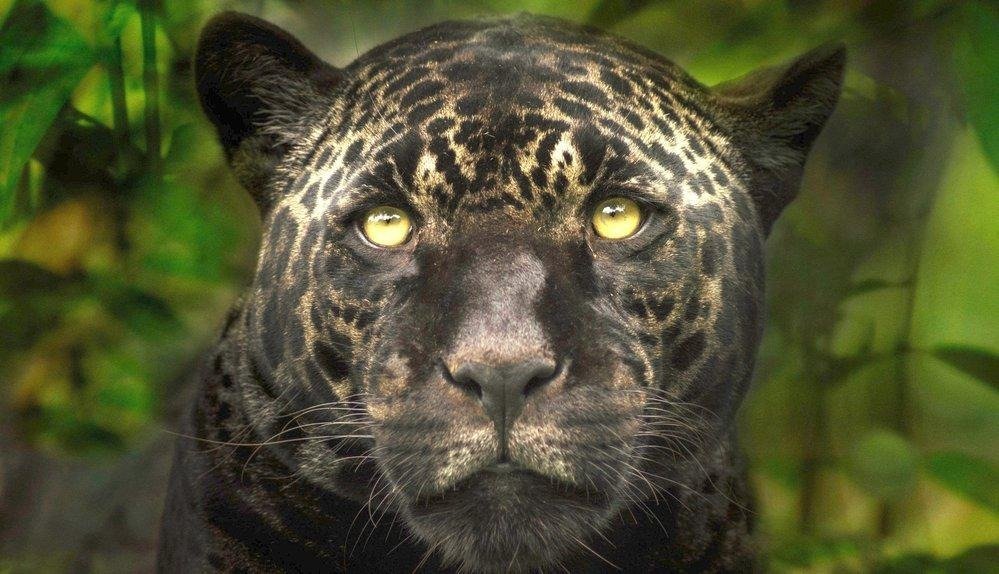
A black panther is not a separate big-cat species.
The term commonly refers to a melanistic leopard or jaguar. Their spots may still be visible under suitable lighting.
Smithsonian Magazine
+1
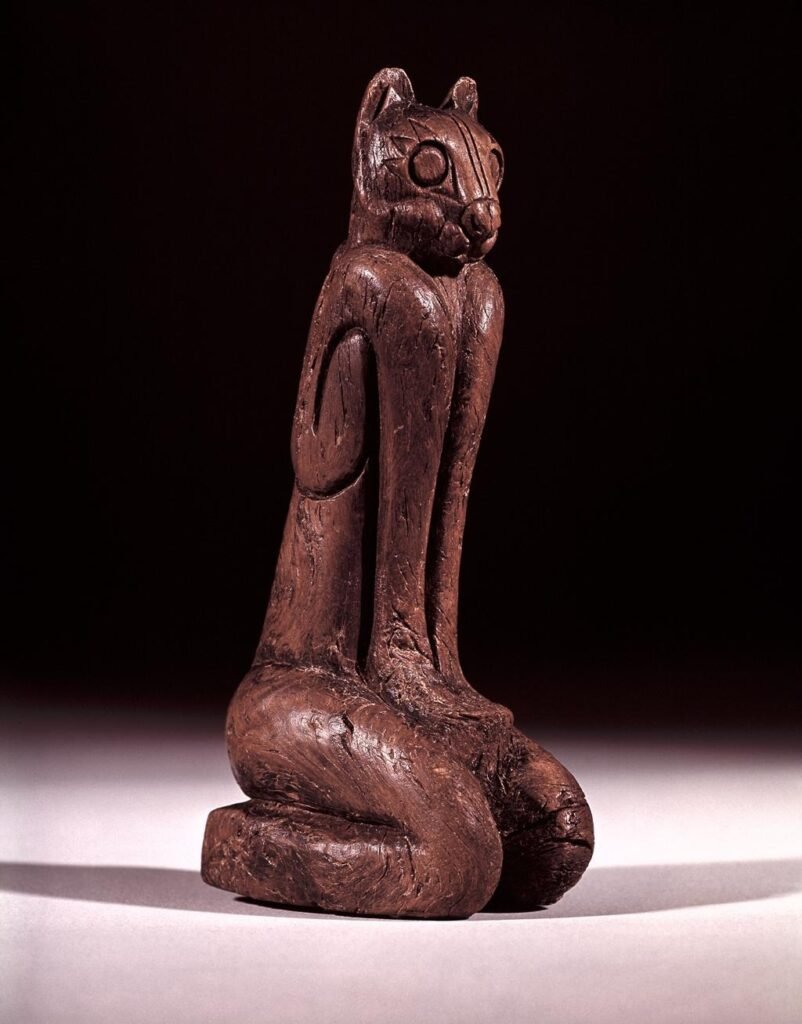
Panther-like figures have an archaeological history.
The Key Marco Cat from Florida is an important example of an artifact combining feline and human-like features. Its precise cultural meaning remains open to interpretation.
National Geographic
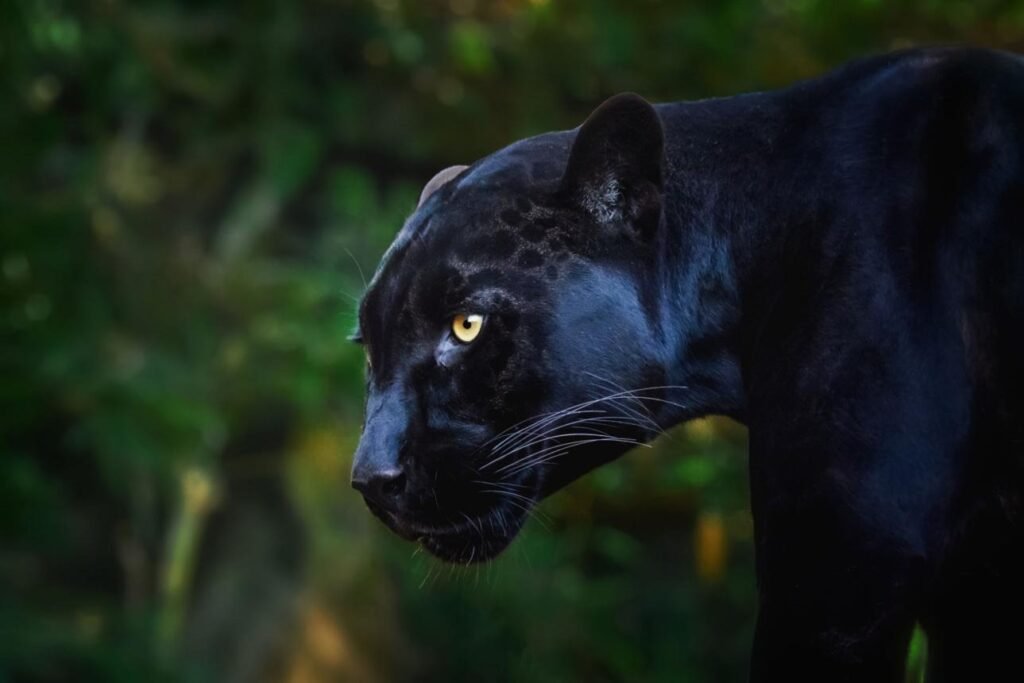
The same animal image can represent opposing ideas.
In different cultural narratives, a large cat may represent both danger and protection. Context determines which interpretation is most appropriate.
Southern African Humanities
13. Common Mistakes When Interpreting Panther Symbolism
Understanding panther symbolism requires more than memorizing a list of meanings. Several common errors can lead to inaccurate interpretations.
Mistake 1: Assuming every panther represents power
Strength is a common association, but the animal may also represent vulnerability, isolation, danger, beauty, or a community’s relationship with nature.
Better approach: Examine the animal’s role in the specific story, artwork, or tradition.
Mistake 2: Treating black as a universal symbol of evil
Black can represent many things, including elegance, authority, mystery, grief, or protection. Its meaning varies with context.
Better approach: Consider the entire image, including lighting, setting, character behavior, and cultural background.
Mistake 3: Confusing leopards, jaguars, and Florida panthers
These names do not refer to the same animal. Black panthers commonly are melanistic leopards or jaguars, whereas the Florida panther is a cougar population.
Smithsonian Magazine
+1
Better approach: Identify the actual species when discussing wildlife or interpreting a historical source.
Mistake 4: Presenting spiritual beliefs as scientific facts
A personal belief that a panther represents guidance may be meaningful, but it is not evidence that an external supernatural force is communicating through the animal.
Better approach: Clearly distinguish personal spirituality, cultural traditions, psychological interpretation, and scientific evidence.
Mistake 5: Assuming all cultures share one interpretation
An interpretation developed in one region cannot automatically be applied to every community.
Better approach: Research the specific tradition and acknowledge uncertainty where historical evidence is limited.
14. Myth vs. Fact: Panther Symbolism
| Myth or assumption | More accurate explanation |
| Every black panther belongs to one species. | The term commonly describes melanistic leopards and jaguars. |
| Panthers always symbolize evil or danger. | Their meanings can include protection, leadership, mystery, beauty, and strength. |
| A panther dream predicts the future. | Dreams do not have a reliably established universal predictive meaning. |
| Every spiritual tradition views the panther as a guardian. | Spiritual interpretations differ between communities and individuals. |
| Panther symbolism has remained unchanged throughout history. | Meanings develop through cultural exchange, storytelling, and changing social contexts. |
| A powerful animal automatically makes a strong logo. | A successful logo also requires clarity, relevance, distinctiveness, and audience understanding. |
15. Key Insights Into Panther Symbolism
The most important insight is that panther symbolism is flexible rather than fixed. Its meanings emerge from the interaction between the animal’s real characteristics and the human stories built around them.
- Strength is not the same as aggression. The panther can represent controlled capability and careful action.
- Mystery is not necessarily negativity. Darkness can communicate uncertainty, elegance, or the unknown.
- Independence does not require isolation. The panther can prompt reflection on autonomy while recognizing the value of cooperation.
- Cultural context matters. Historical artifacts and living traditions require careful interpretation.
- Symbolism can evolve. Modern films, literature, and branding create new associations while drawing on older imagery.
- Evidence matters. Biological facts, documented history, cultural beliefs, and personal interpretations should remain distinguishable.
These insights make the panther a valuable subject for cultural study and creative expression.
Frequently Asked Questions About Panther Symbolism
1. What does a panther symbolize spiritually?
Spiritually, a panther is often interpreted as a symbol of inner strength, courage, intuition, protection, and transformation. Some contemporary spiritual traditions describe it as a guide through uncertainty. These interpretations vary, and they should not be confused with universal religious teachings or scientifically established supernatural claims.
2. What does a black panther symbolize?
A black panther commonly symbolizes mystery, elegance, independence, hidden strength, and the unknown. Its dark coat contributes to these associations in art and storytelling. Depending on the context, it can also represent danger, authority, resilience, or protection.
3. Is a panther a symbol of good luck?
A panther is not universally considered a good-luck symbol. Some stories portray large cats as powerful guardians, while others emphasize their danger or unpredictability. Whether a panther represents good fortune depends on the specific cultural tradition, personal interpretation, or artistic context.
4. What does it mean to dream about a panther?
A panther in a dream may prompt reflection on confidence, fear, independence, uncertainty, or personal boundaries. The most useful interpretation depends on the dreamer’s feelings and experiences. There is no scientifically established rule that a panther dream predicts a particular event or has the same meaning for everyone.
5. What does a panther symbolize in mythology?
In mythology and traditional storytelling, panthers and related big cats may represent strength, danger, spiritual significance, wildness, protection, or extraordinary abilities. In ancient Greek art, leopards are associated with Dionysian imagery. In some Indigenous traditions, panthers have distinct roles in creation stories and other cultural narratives.
6. Why do companies use panthers in logos?
Companies may use panther imagery to communicate strength, speed, agility, confidence, sophistication, or competitive energy. The animal is visually distinctive, making it suitable for sports identities, gaming graphics, and certain premium brands. Its effectiveness depends on how well the design fits the brand’s purpose and audience.
Conclusion: Why Panther Symbolism Still Matters
Panther symbolism continues to fascinate people because the animal brings together strength, mystery, independence, and the power of the unknown. Its stealthy movements and commanding presence provide a rich foundation for stories about courage, transformation, awareness, protection, and authority.
Historically, panther-like imagery has appeared in archaeological artifacts, oral traditions, mythology, and art. In contemporary culture, the animal continues to inspire fictional heroes, visual identities, personal metaphors, and creative storytelling. Its meaning changes according to the context in which it appears, making it an especially useful example of how symbols develop.
Understanding panther symbolism also requires distinguishing cultural interpretation from scientific evidence. A black panther’s coat is explained by melanism, while the associations between darkness and mystery arise from human culture and experience. Neither biology nor symbolism should be used to make unsupported claims about a person’s character or future.
Whether the panther appears in a dream, a painting, a myth, a film, or a brand identity, its most meaningful interpretation comes from asking what the animal represents in that particular setting. That approach encourages deeper cultural understanding, stronger visual communication, and more thoughtful engagement with the natural world.

