
The symbolism of figs reaches across thousands of years of human history, connecting food, nature, spirituality, fertility, wisdom, prosperity, and the cycle of life. From ancient Mediterranean civilizations to religious texts and modern visual storytelling, the fig has represented far more than a sweet fruit. Its distinctive leaves, nourishing fruit, and ability to thrive in warm climates have made it a meaningful symbol in different cultural and historical settings.
Understanding fig symbolism helps explain how ordinary natural objects become powerful cultural signs. A fig may represent abundance in one context, spiritual knowledge in another, or peace and domestic life in a work of art. Its meaning depends on the surrounding story, religious tradition, historical period, and the person interpreting it.
The fig tree also occupies an important place in the history of agriculture. Cultivated for thousands of years, it has provided nourishment, shade, and a familiar presence in Mediterranean and West Asian landscapes. These practical qualities helped establish the fig as a recurring image in mythology, sacred literature, folklore, poetry, and decorative art.
Today, fig symbolism remains relevant in branding, interior design, gardening, literature, wellness imagery, and digital communication. Whether a fig appears in an ancient story, a painting, a logo, or a modern illustration, it can evoke ideas of natural abundance, grounded living, maturity, and the relationship between humanity and the natural world.
What Does Fig Symbolism Mean?
Fig symbolism commonly represents abundance, fertility, nourishment, wisdom, peace, and the natural cycles of life. In some religious and cultural traditions, the fig tree also signifies spiritual understanding, protection, or sacred knowledge. Its precise meaning varies according to the story, artwork, region, and belief system in which the fruit or tree appears.
The most common symbolic associations include:
- Abundance and prosperity: A productive fig tree provides plentiful fruit and nourishment.
- Fertility and growth: Its fruit-bearing branches can suggest reproduction, vitality, and new beginnings.
- Wisdom and knowledge: Fig trees appear in religious and philosophical traditions associated with reflection and spiritual understanding.
- Peace and security: A tree offering shade, food, and a settled place can symbolize stability and well-being.
- Protection and modesty: Fig leaves have a distinctive place in biblical narratives and later European artistic conventions.
- Renewal and transformation: The fruit’s development reflects the broader natural cycle of growth, ripening, and renewal.
These associations are interpretations rather than universal definitions. A fig does not carry one fixed meaning across every culture, and not every appearance of a fig is intended to communicate a symbolic message.
1. The Historical Origins of Fig Symbolism
Fig symbolism developed through the everyday importance of the fig tree in early agricultural societies. Because figs were edible, relatively easy to preserve when dried, and well suited to many warm regions, they became part of food systems, trade, domestic life, and agricultural traditions.
The fig in the ancient world


12
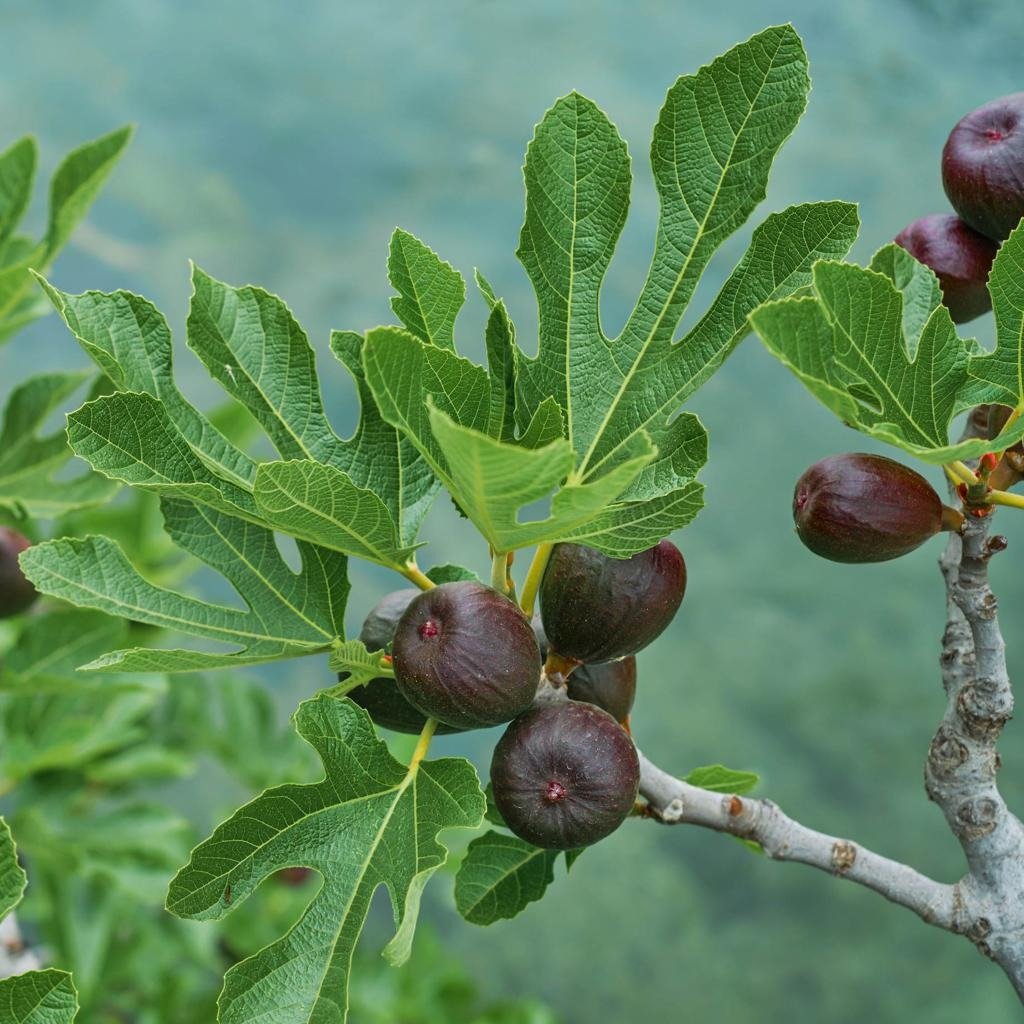
The common fig, scientifically known as Ficus carica, has a long history of cultivation in western Asia and the Mediterranean region. Archaeological discoveries from the ancient Near East provide evidence that people used figs thousands of years ago, although the exact origins and chronology of domestication remain subjects of scholarly discussion.
In ancient societies, a tree that produced reliable food could become associated with security and continuity. A fig tree growing near a home or settlement was not merely decorative; it could contribute to a family’s food supply and provide shade in hot weather.
These practical benefits help explain why the tree acquired associations with:
- Household prosperity and food security.
- Fertility and the continuation of family life.
- Stability through seasonal change.
- The relationship between cultivated land and human survival.
It is important to distinguish these historical circumstances from claims that every ancient civilization assigned identical spiritual meanings to figs. Symbolism emerged in particular communities and was shaped by local customs, religious narratives, and literary traditions.
Figs in ancient Egypt and the Mediterranean
Figs and related fig species were familiar in the ancient Mediterranean world. Archaeological and artistic evidence documents the importance of fig fruits in food production, storage, and offerings in some societies.
In ancient Egypt, the sycamore fig, Ficus sycomorus, had associations with sacred trees and certain divine figures. It is botanically distinct from the common fig, Ficus carica, so references to Egyptian sacred fig trees should not automatically be treated as references to the same species.
Greek and Roman societies also valued figs as food. Their role in agriculture and daily life gave them a natural place in descriptions of rural abundance, domestic comfort, and the pleasures of cultivated land.
Why this matters: Fig symbolism did not emerge from abstract ideas alone. Much of its significance developed from the tree’s visible, practical role in human life before being elaborated through stories, rituals, and art.
2. Fig Symbolism Across Religions and Spiritual Traditions
Figs have different meanings in different religious traditions. They appear in sacred texts, stories, and cultural practices, but their interpretation depends on the specific passage or tradition rather than on a single universal religious definition.
Fig symbolism in the Bible
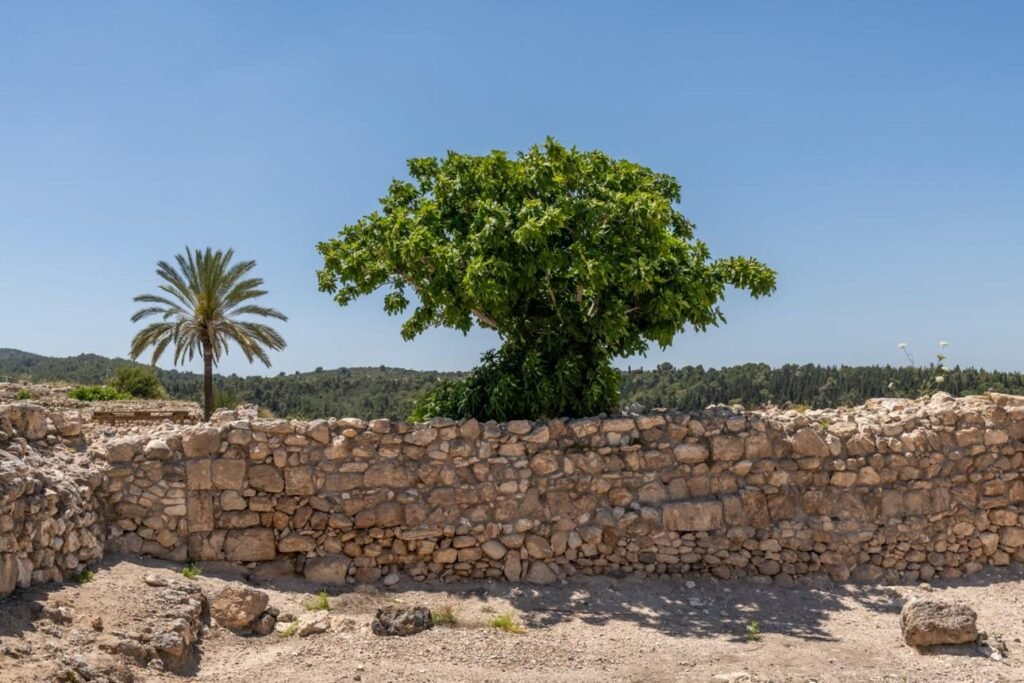
The fig tree is an important image in the Hebrew Bible and the Christian Old Testament. It can represent prosperity, peace, agricultural well-being, judgment, or spiritual fruitfulness, depending on the passage.
One well-known biblical expression describes people sitting beneath their own vines and fig trees. This image is commonly interpreted as a picture of security, peace, and freedom from fear. In its historical and literary context, the tree evokes the ordinary blessings of a stable life.
Fig leaves also appear in the Genesis narrative of Adam and Eve. After becoming aware of their nakedness, they use fig leaves to cover themselves. This episode has influenced later interpretations of fig leaves as symbols of modesty, concealment, human vulnerability, and the awareness of moral boundaries.
In the New Testament, Jesus’ encounters with fig trees use the tree in different ways. Some passages employ it as an image for interpreting seasons and events, while the account of the fruitless fig tree has been read as a lesson about fruitfulness, judgment, and the relationship between outward appearance and meaningful action.
These passages should not be collapsed into one simplistic meaning. A fig tree associated with peace in one passage may carry a warning in another.
Fig symbolism in Islam
The fig holds a special place in Islamic tradition. Surah At-Tin, the 95th chapter of the Quran, begins with an oath by the fig and the olive.
The chapter then reflects on human creation and moral responsibility. Muslim commentators have discussed the significance of these opening references in different ways, including their possible connections to blessed places, religious history, and the importance of the objects named.
The Quranic reference gives the fig religious significance, but interpretations of its precise symbolism are not completely uniform. It is therefore more accurate to distinguish the text itself from particular explanations offered by commentators.
In everyday Muslim cultures, figs may also be appreciated as wholesome food and as part of regional agricultural traditions. Such cultural associations can complement religious meaning without being identical to it.
Fig symbolism in Buddhism

A distinction between fig species is especially important when discussing Buddhism.
The tree traditionally associated with the Buddha’s awakening is the Bodhi tree, Ficus religiosa, also known as the sacred fig or peepal tree. It is not the same species as the common edible fig, Ficus carica.
In Buddhist traditions, the Bodhi tree symbolizes awakening, wisdom, insight, and liberation from ignorance. Its meaning derives primarily from its association with the Buddha’s enlightenment, not simply from the fruit-bearing qualities of ordinary fig trees.
The broader fig family thus offers a useful example of how botanical relationships can overlap with religious symbolism while individual species retain distinct histories.
Fig symbolism in ancient Egyptian religion
In ancient Egyptian religious imagery, the sycamore fig tree was associated with divine nourishment, protection, and the relationship between the living world and the afterlife. Certain depictions connect the sacred tree with goddesses who provide nourishment or care for the deceased.
These traditions show how a tree’s ability to offer shade and food could become a religious image of protection and continued existence.
However, Egyptian beliefs varied across periods and local traditions. A sacred tree’s meaning must be understood through the particular artwork, inscription, or ritual in which it appears.
Comparing religious interpretations
| Tradition | Important fig-related reference | Common interpretation |
| Judaism and Christianity | Biblical fig trees and fig leaves | Peace, prosperity, fruitfulness, concealment, or judgment, depending on context |
| Islam | The fig in Surah At-Tin | Religious significance, reflection on human creation, and moral responsibility |
| Buddhism | The Bodhi tree, Ficus religiosa | Awakening, wisdom, and spiritual insight |
| Ancient Egyptian religion | The sycamore fig in sacred imagery | Nourishment, protection, and afterlife associations |
The comparison reveals a central principle of religious symbolism: the same botanical family can inspire different meanings because traditions develop through distinct stories, rituals, and theological ideas.
3. The Spiritual Meaning of Figs
Fig symbolism in spiritual and reflective contexts often centers on growth, nourishment, wisdom, and the relationship between outward appearance and inner development.
These interpretations can be meaningful to individuals even when they are not established religious teachings or scientific conclusions.
Abundance and gratitude
A fruit-bearing fig tree can serve as a reminder of the resources that sustain life. Its fruit may symbolize the rewards of patience, care, and favorable conditions.
In a personal or spiritual reflection, a fig might prompt questions such as:
- What forms of abundance already exist in my life?
- Which relationships or skills need continued care?
- How can I recognize the value of ordinary blessings?
This interpretation connects the fruit to gratitude rather than to a promise of material wealth.
Wisdom and inner growth
The fig tree’s association with wisdom becomes particularly clear in traditions involving the Bodhi tree. In a broader, nonreligious interpretation, the tree can represent the time required for understanding to develop.
Like a tree that grows gradually, personal learning usually involves experience, reflection, and repeated effort. The fig can therefore function as a metaphor for mature understanding rather than sudden success.
Protection and rootedness
A mature fig tree offers shelter and can live for many years under suitable conditions. These qualities make it an effective image for stability, continuity, and belonging.
In a poem or illustration, a fig tree near a home might suggest family memory, ancestral connections, or the feeling of having a secure place in the world.
Do figs symbolize luck or good fortune?
Figs may be associated with good fortune in some contemporary symbolic interpretations, especially when they appear as signs of harvest, abundance, or prosperity.
However, there is no universal rule that seeing a fig predicts a fortunate event. Such meanings belong to personal interpretation, cultural belief, or a particular symbolic system rather than established evidence about the future.
4. Fig Symbolism in Psychology and Human Experience
From a psychological perspective, the fig can be understood through the meanings people attach to food, trees, nature, memory, and cultural narratives. Psychology does not establish one universal symbolic meaning for figs, but it helps explain why natural objects can become emotionally significant.
The fig as a symbol of nourishment
Food is closely connected to everyday experiences of care, family, hospitality, and survival. A fruit that people grow, share, preserve, and eat can become associated with generosity and emotional comfort.
For example, someone who remembers eating fresh figs in a grandparent’s garden may associate the fruit with childhood, safety, and family traditions. Another person may associate it with travel, Mediterranean cuisine, or a particular season.
The fruit is the same, but the personal associations differ.
The fig as a symbol of patience
Fruits develop over time, and harvesting depends on the tree’s condition, climate, and season. This natural process makes figs suitable metaphors for patience and the gradual development of a goal.
In storytelling, a character who tends a fig tree may represent someone investing effort in a future reward. The eventual harvest can symbolize the results of perseverance without implying that success is guaranteed.
The fig and the relationship between appearance and reality
The biblical story of fig leaves has contributed to the fruit’s association with concealment and modesty in some cultural contexts.
In psychological or literary interpretation, this can become a metaphor for the difference between public presentation and private vulnerability. A fig leaf might represent an attempt to protect privacy, conceal embarrassment, or maintain social respectability.
These interpretations are especially useful in art and literature, where an object can communicate emotional meaning without explicit explanation.
Why personal associations matter
Semiotics—the study of signs and how they produce meaning—helps explain how a fig becomes more than a fruit in a particular context.
A viewer interprets the image through several layers:
- The object itself: A fruit-bearing tree, a ripe fig, or a leaf.
- Cultural knowledge: Familiarity with religious stories, art, and traditional uses.
- Personal experience: Memories of family, food, travel, or nature.
- The immediate context: Whether the fig appears in a religious painting, a food advertisement, a poem, or a family photograph.
The resulting meaning emerges from the interaction between the object and the viewer’s knowledge. This is why an interpretation should consider context instead of relying on a fixed list of symbolic definitions.
5. Fig Symbolism in Mythology, Folklore, and Anthropology
Mythology and folklore preserve the ways communities explain their relationships with nature, food, ancestry, and the sacred. Fig trees can become significant within these systems because they are long-lived, productive, and closely associated with human settlements.
Sacred trees and the human relationship with nature
Across many societies, trees have been used to represent continuity, shelter, life, and the relationship between the earthly and spiritual worlds. A particular tree may acquire sacred status because of a religious story, a local legend, a ritual, or a community’s historical relationship with it.
Fig symbolism fits into this wider tradition, although not every sacred-tree tradition specifically concerns figs.
In anthropology, the study of trees and plants can reveal how a community organizes ideas about land, kinship, authority, and belonging. A fig tree in a village courtyard, for example, may become a shared landmark that connects generations through repeated gatherings and memories.
The difference between folklore and documented history
A story about a fig tree may be culturally important even when it cannot be verified as a historical event. Folklore should not be dismissed simply because it expresses meaning through legend, but it should not be presented as factual history without evidence.
A balanced interpretation distinguishes among:
- Historical evidence: Archaeological remains, inscriptions, botanical evidence, and documented records.
- Religious tradition: Sacred texts, commentaries, ritual practices, and theological interpretations.
- Folklore: Stories and customs transmitted through communities.
- Personal symbolism: Meanings that individuals develop from experience and imagination.
This distinction allows fig symbolism to be explored respectfully without inventing traditions or treating every modern symbolic claim as ancient fact.
6. Fig Symbolism in Art, Iconography, and Visual Communication

8
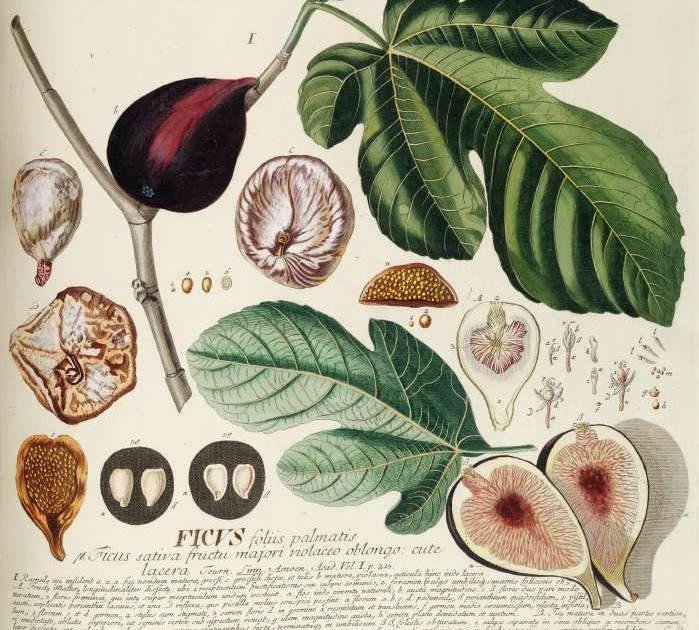
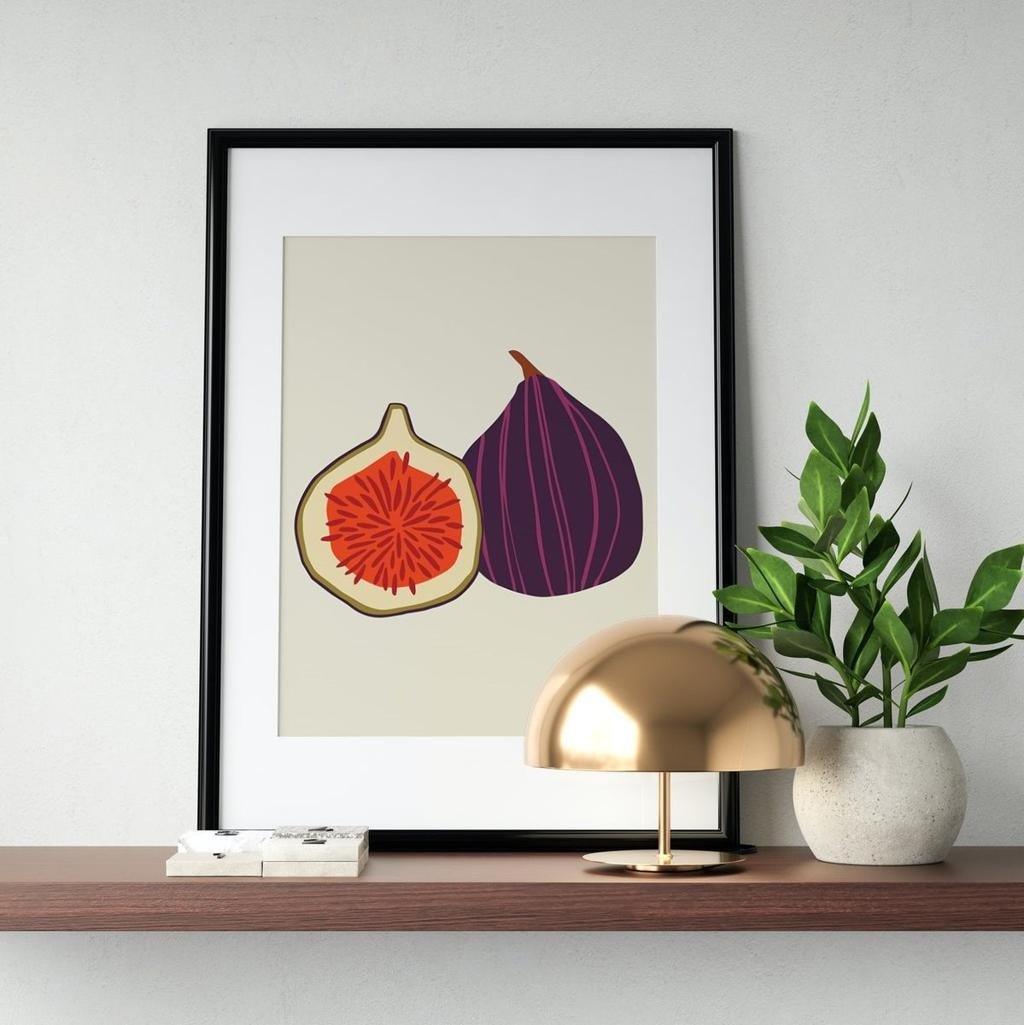
In art, figs can function as realistic botanical subjects, religious references, signs of abundance, or metaphors for vulnerability and the passage of time. Their meaning depends on the visual arrangement, artistic period, and intended audience.
Figs in still-life painting
Still-life artists often depict fruit to explore color, texture, material beauty, and the temporary nature of physical things.
A bowl of ripe figs may suggest plenty, hospitality, or the pleasures of the natural world. If the fruit is bruised, split, or beginning to decay, it may also encourage reflection on aging, change, and impermanence.
These readings depend on the particular painting. A still life may simply celebrate the artist’s ability to represent natural forms accurately, so symbolic interpretation should not be assumed automatically.
Fig leaves in classical and religious art
Fig leaves became widely recognizable in European artistic conventions as a way to cover nudity in representations of human figures. Their association with modesty draws partly on the Genesis narrative and later cultural practices.
In this setting, a fig leaf can operate as a visual shorthand for concealment, censorship, or the regulation of public displays of the body.
Modern editorial cartoons sometimes use the expression “fig leaf” metaphorically for a superficial excuse or an attempt to disguise an uncomfortable truth. This meaning extends the visual association between covering and concealment into political and social commentary.
Color, shape, and composition
Figs offer artists a varied visual vocabulary:
- Purple or deep violet fruit: May evoke richness, maturity, or luxury when used within a particular color scheme.
- Green leaves: Can suggest growth, freshness, or the natural world.
- Ripe fruit: May convey abundance, sensual richness, or harvest.
- An isolated fig: Can draw attention to fragility, detail, or simplicity.
- A tree with extensive branches: May suggest shelter, longevity, or connection.
These are possible visual associations, not fixed psychological laws. Color meanings vary across cultures and situations, and the overall composition often matters more than any single color.
7. Fig Symbolism in Literature and Poetry
Writers use figs and fig trees to make abstract themes more concrete. Because figs are associated with food, gardens, sacred narratives, and seasonal change, they can help communicate ideas about memory, desire, wisdom, family, and the passing of time.
Abundance and the good life
A fig tree in a literary landscape may represent a stable home, a productive garden, or the satisfaction of living close to nature.
For example, a novelist might describe a character returning to a family orchard where a fig tree still stands. The tree could evoke continuity across generations, linking the character’s present experience with childhood memories.
The symbolism would emerge from the surrounding narrative rather than from the tree alone.
Knowledge and spiritual reflection
When writers draw on biblical or Buddhist traditions, fig-related imagery may evoke moral understanding, religious inquiry, or a search for wisdom.
A tree may function as a setting for reflection, while its fruit might represent the consequences of actions or the benefits of mature judgment. These meanings are especially strong when the writer deliberately echoes a recognizable religious story.
Fragility and impermanence
Ripe fruit is temporary. It must be eaten, preserved, or allowed to decay. This quality makes figs suitable images for fleeting beauty and the passage of time.
A poet might use a ripe fig to represent a brief opportunity, a moment of intimacy, or the awareness that life changes continuously.
Such interpretations can overlap: a fruit can represent abundance precisely because it is precious and temporary.
8. Fig Symbolism in Different Cultures and Regions
The fig has a broad geographical history, but its symbolic meanings differ across communities. It is useful to distinguish the fruit’s widespread practical importance from the more specific beliefs attached to it.
| Region or tradition | Context | Possible symbolic associations |
| Mediterranean societies | Food cultivation and domestic gardens | Nourishment, hospitality, harvest, and prosperity |
| Ancient Egyptian traditions | Sacred imagery involving the sycamore fig | Divine nourishment, protection, and afterlife connections |
| Jewish and Christian traditions | Biblical narratives | Peace, prosperity, fruitfulness, concealment, or judgment |
| Muslim traditions | Quranic reference in Surah At-Tin | Religious significance and reflection on human creation |
| Buddhist traditions | The Bodhi tree, Ficus religiosa | Awakening, wisdom, and spiritual insight |
| Modern Western visual culture | Artistic and figurative use of fig leaves | Modesty, concealment, censorship, or a superficial excuse |
| Contemporary design and lifestyle culture | Food imagery, illustration, and branding | Natural abundance, refinement, warmth, and simplicity |
The table offers a guide rather than a complete catalogue of cultural beliefs. People within the same religious or geographical tradition may interpret the fig differently, and contemporary meanings may diverge from historical ones.
Why cultural context changes the meaning
Imagine three images of a fig tree:
- In a religious illustration, it may refer to a sacred text.
- In a landscape painting, it may evoke the beauty of a cultivated countryside.
- In a family photograph, it may represent a cherished place and shared memories.
The visible tree is similar, but each image invites a different interpretation. Understanding the surrounding context is therefore essential to accurate cultural analysis.
9. The Philosophical Meaning of Figs
Fig symbolism can also be used to explore philosophical questions about nature, time, knowledge, and the good life.
Nature and human flourishing
A productive tree can illustrate the relationship between human well-being and the natural environment. Its fruit depends on growing conditions, ecological relationships, and human care.
This makes the fig a useful metaphor for flourishing: a person, like a tree, develops through a combination of individual capacities and external circumstances.
The metaphor should not be taken too literally, but it can encourage reflection on the conditions that help people and communities thrive.
Knowledge and the search for truth
The association between the Bodhi tree and awakening offers a clear example of how a plant can become a philosophical symbol. The tree’s significance is linked to a tradition concerned with insight, suffering, and liberation.
Outside religious contexts, a fig tree can still serve as an image of patient observation and gradual understanding. A tree’s life unfolds through processes that cannot be fully understood from a single glance, much as complex questions often require sustained inquiry.
Impermanence and the passage of time
The changing state of fruit—from development to ripeness and eventual decay—can prompt reflection on impermanence.
This does not mean that the fig inherently symbolizes loss. Rather, it offers a visible example of how growth and change belong to the same natural process.
In philosophical writing, this can help connect the pleasure of the present moment with an awareness that circumstances are never completely static.
10. Modern Applications of Fig Symbolism
Fig symbolism remains useful in contemporary communication because the fruit and tree are visually recognizable and can communicate associations with nature, nourishment, tradition, and maturity.
Branding and marketing
In branding, a fig can help communicate a particular atmosphere or set of product values.
For example:
- Food brands: A fig illustration can suggest natural ingredients, culinary heritage, and flavor.
- Skincare and personal-care products: Fig imagery may evoke botanical ingredients, softness, or a nature-inspired identity.
- Hospitality businesses: Fig trees can suggest warmth, gardens, and Mediterranean-inspired surroundings.
- Lifestyle brands: A fig motif may communicate simplicity, organic forms, or a connection with nature.
These are design strategies, not guarantees of consumer response. The effectiveness of an image depends on the product, audience, visual execution, and surrounding message.
Interior design and architecture
Fig trees can be used as living features in courtyards, gardens, and suitable indoor or outdoor spaces. In interior design, botanical illustrations and fig-inspired motifs may introduce a sense of natural warmth.
A fig tree in a courtyard can also connect a building with regional landscaping traditions. In this case, its meaning comes from both the symbolism and its practical function as a living part of the environment.
Education and storytelling
Teachers can use fig symbolism to introduce students to several connected subjects:
- Ancient agriculture and the history of food.
- Religious literature and comparative interpretation.
- Botanical classification and the distinction between fig species.
- Semiotics and the way images communicate meaning.
- Literary techniques such as metaphor, allusion, and symbolism.
A useful classroom activity is to compare a biblical fig tree, a Buddhist Bodhi tree, and a modern fruit illustration. Students can identify what each image communicates and explain how context changes its interpretation.
Digital communication and social media
On social media, a fig photograph or illustration can communicate an interest in gardening, food, seasonal living, or nature-inspired design. In a religious or historical post, it may carry more specific cultural associations.
However, there is no universal digital meaning for a fig image. A viewer’s interpretation depends on captions, hashtags, the account’s subject, and the surrounding conversation.
11. Did You Know? Facts About Figs and Their Symbolism
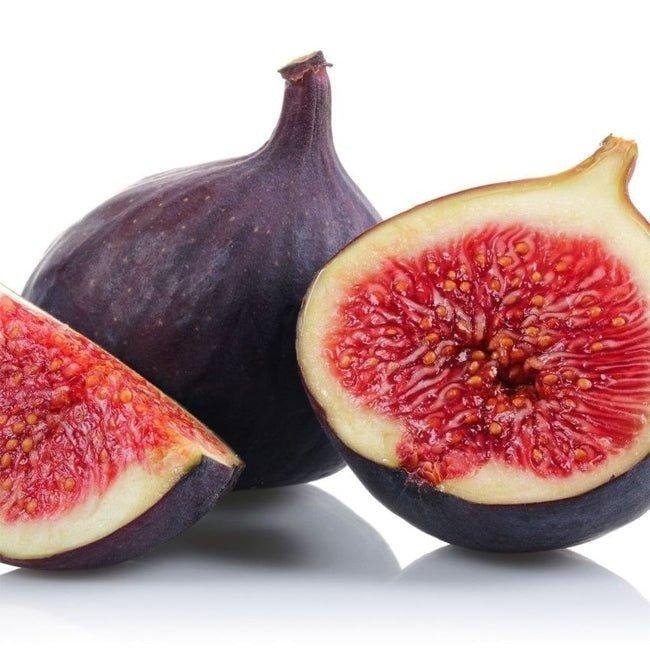
A fig is not a simple berry-like fruit in botanical terms.
What appears to be the fruit is a specialized structure called a syconium, with many tiny flowers inside. This unusual structure makes the fig a fascinating example of how botanical reality can differ from everyday language.
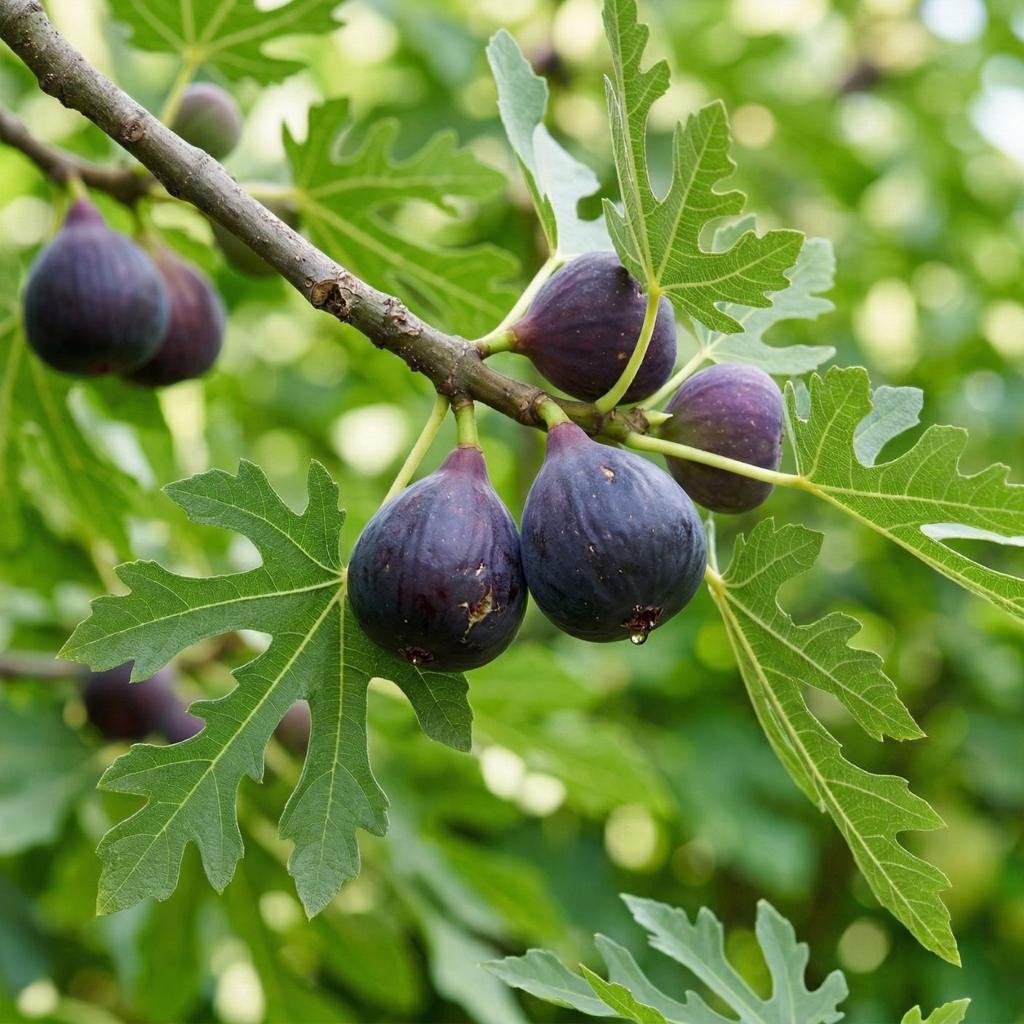
The common fig and the sacred Bodhi tree are different species.
The common edible fig is Ficus carica, while the Bodhi tree associated with the Buddha’s awakening is Ficus religiosa. Both belong to the genus Ficus, but their cultural histories differ.

Drying figs extends their usefulness beyond the harvest.
Preserved figs have historically helped people store food for later consumption. This practical value contributes to the fruit’s associations with nourishment and resourcefulness.
12. Expert Tip: How to Interpret Fig Symbolism Accurately
The best way to interpret fig symbolism is to identify the setting before assigning a meaning.
Use this simple process:
- Identify the species when relevant. A common fig, sacred Bodhi tree, and Egyptian sycamore fig should not automatically be treated as interchangeable.
- Look at the source. Determine whether the image comes from scripture, a historical artifact, a poem, an advertisement, or a personal photograph.
- Consider the surrounding details. Fruit, leaves, branches, people, inscriptions, and other objects may change the interpretation.
- Separate tradition from personal meaning. A religious interpretation may have a documented textual basis, while a contemporary spiritual interpretation may be personal.
- Avoid universal claims. Describe a meaning as common, possible, or tradition-specific when the evidence does not support a universal conclusion.
This approach is particularly useful for writers, designers, researchers, and anyone creating culturally sensitive visual content.
13. Common Mistakes When Interpreting Fig Symbolism
Mistake 1: Assuming every fig represents fertility
Fertility is a plausible association because fruit-bearing plants can symbolize reproduction and growth. However, a fig may instead communicate nourishment, peace, modesty, or religious insight.
Mistake 2: Treating every fig tree in religion as the same tree
The common fig, Bodhi tree, and sycamore fig have distinct botanical identities and cultural histories. Confusing them can lead to inaccurate historical explanations.
Mistake 3: Presenting personal spiritual beliefs as established facts
Someone may interpret a fig as a sign of luck, transformation, or spiritual encouragement. That interpretation can be personally meaningful without being a universal tradition or a scientifically demonstrated prediction.
Mistake 4: Ignoring the context of fig leaves
Fig leaves can signify modesty or concealment, particularly in art influenced by biblical imagery. Yet a leaf may also be included for botanical accuracy or decorative purposes.
Mistake 5: Assuming symbolism is always intentional
Artists and writers sometimes use figs because they are visually appealing, familiar, or relevant to a setting. Symbolic interpretation should be supported by context rather than imposed on every appearance.
14. Myth vs. Fact: Understanding Fig Symbolism
| Claim | Balanced explanation |
| Figs always symbolize wealth. | They may represent abundance, but other meanings depend on context. |
| Seeing a fig predicts good fortune. | This is a personal or cultural belief, not an established prediction. |
| The Bodhi tree is the common edible fig tree. | They are different species within the genus Ficus. |
| Fig leaves universally represent shame. | Their association with concealment is influential in certain religious and artistic traditions, but meanings vary. |
| Every ancient society worshipped fig trees. | Some traditions gave particular fig species sacred importance; this does not establish universal worship. |
| Figs have no symbolic importance today. | Figs remain useful in religious interpretation, literature, art, food imagery, and contemporary design. |
15. Practical Applications: Using Fig Symbolism in Your Work
If you are creating content, art, or a brand identity, fig symbolism can provide a useful starting point.

For logo and brand design
Use a simple fig or branch illustration when you want to communicate botanical character, natural ingredients, or a connection with culinary tradition. Pair the image with typography and colors appropriate to the brand’s actual identity.

For educational content
Compare fig species and their historical associations to explain how plants acquire cultural significance. Include accurate captions and identify the religious or historical context.
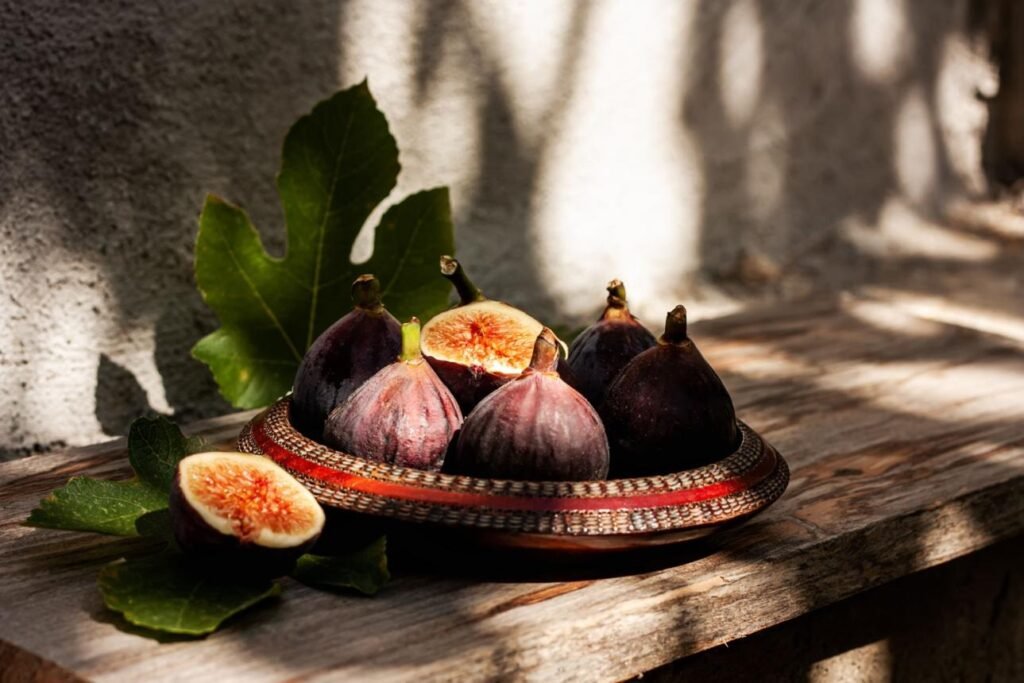
For creative writing
Use figs to suggest harvest, family memory, maturity, or impermanence. Develop the meaning through a character’s experiences rather than explaining the symbolism too directly.
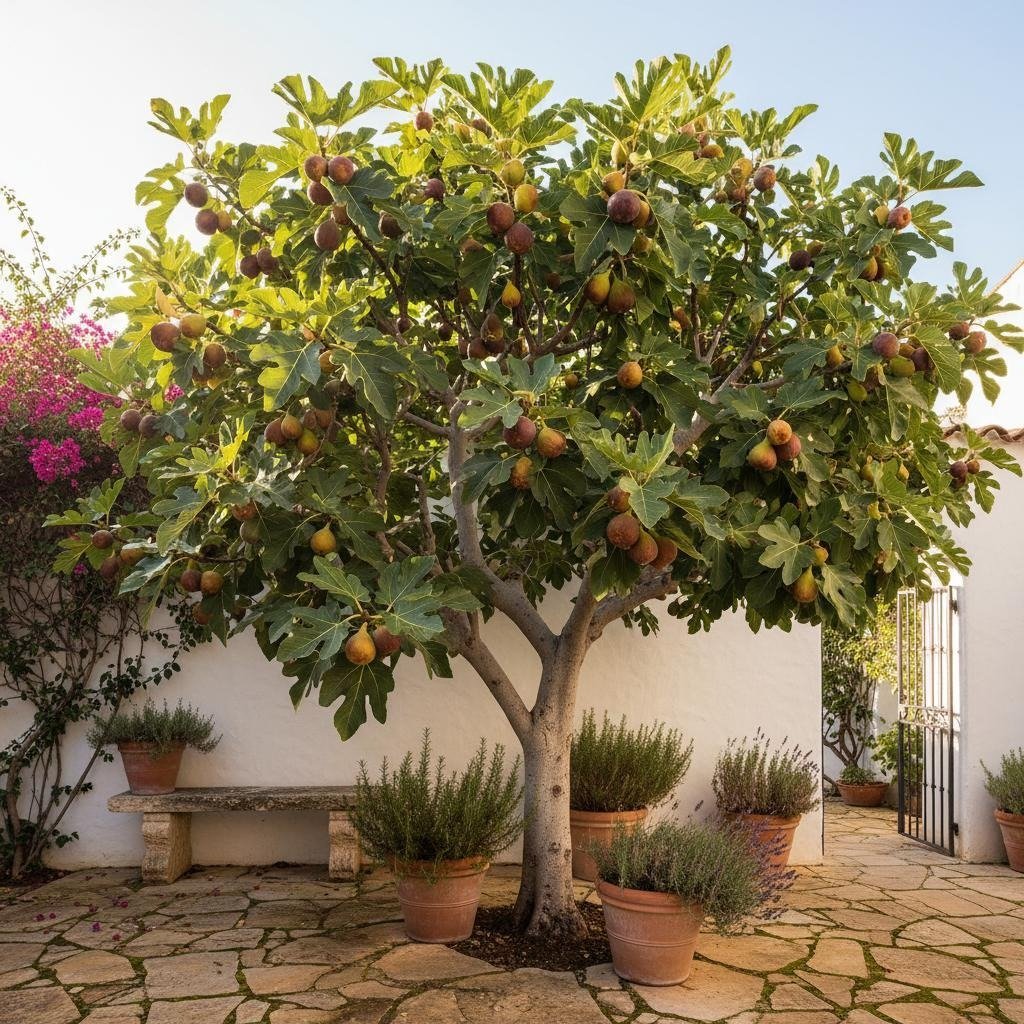
For interior and landscape design
Consider the fig tree as a living feature that can connect a space with nature, shade, and regional landscape traditions. Select a species suited to the actual growing conditions.
The central lesson is to use fig symbolism deliberately. An image becomes more effective when its intended meaning fits the audience, the surrounding narrative, and the design’s purpose.
16. Fig Symbolism in Everyday Life
Fig symbolism can also help people reflect on ordinary experiences without requiring a religious or mystical interpretation.
A fig tree in a family garden might represent continuity. A basket of ripe fruit might evoke generosity or a successful harvest. A fig leaf in a cartoon might suggest an inadequate excuse, while a Bodhi tree in a Buddhist setting may refer to spiritual awakening.
These interpretations illustrate the flexibility of symbols. They allow people to communicate complicated ideas through familiar objects.
The fig is particularly interesting because its symbolic meanings arise from several overlapping sources: its practical value as food, its presence in sacred literature, its place in visual art, and its ability to evoke personal memories.
Recognizing those sources makes interpretation more thoughtful and less dependent on simplistic symbolic dictionaries.
17. Key Insights: What Fig Symbolism Teaches Us
The most important insight is that fig symbolism is not a single, unchanging system. Its meanings emerge from the relationship between nature, human experience, religious tradition, and cultural history.
Several principles help bring these meanings together:
- Abundance and nourishment reflect the fig’s practical value as food and its role in agricultural life.
- Wisdom and awakening are especially important in traditions associated with the Bodhi tree.
- Peace and prosperity appear in biblical imagery of a secure and productive life.
- Modesty and concealment are associated with fig leaves in the Genesis narrative and later artistic conventions.
- Growth and renewal arise from the tree’s development, seasonal rhythms, and fruit-bearing qualities.
- Personal meaning develops through memory, experience, and the context in which the fig appears.
For researchers and content creators, these distinctions are important. A reliable explanation should acknowledge cultural differences, distinguish botanical facts from religious interpretation, and avoid presenting personal beliefs as universally accepted truths.
Frequently Asked Questions About Fig Symbolism
1. What does a fig symbolize spiritually?
A fig can symbolize abundance, nourishment, growth, wisdom, and spiritual reflection. Its meaning depends on the tradition involved. For example, the Bodhi tree is associated with awakening in Buddhism, while the fig appears in Islamic scripture and biblical imagery with distinct religious contexts. Personal spiritual interpretations may differ from established religious teachings.
2. What does the fig tree symbolize in the Bible?
In the Bible, the fig tree can symbolize peace, prosperity, fruitfulness, or judgment, depending on the passage. The image of sitting beneath one’s fig tree is associated with security and well-being, while the fruitless fig tree appears in passages concerning fruitfulness and accountability. Fig leaves are also associated with modesty and concealment in Genesis.
3. What does a fig symbolize in Islam?
The fig is named in the opening of Surah At-Tin, the 95th chapter of the Quran, alongside the olive. The chapter goes on to discuss human creation and moral responsibility. Muslim scholars have offered different interpretations of the opening oath, so its meaning should be explained through the Quranic passage and its interpretive traditions rather than reduced to one universal definition.
4. Does a fig symbolize fertility and abundance?
Yes, figs can symbolize fertility and abundance in some cultural, artistic, and contemporary symbolic interpretations. Their fruit-bearing nature makes them suitable images of growth, nourishment, and productivity. However, these associations are not universal, and the meaning of a fig in a particular artwork or tradition may be entirely different.
5. What does a fig leaf symbolize?
A fig leaf commonly symbolizes modesty, concealment, or the covering of something considered inappropriate to reveal. This association is influenced by the Genesis narrative and later European artistic conventions. In modern language, a “fig leaf” can also mean a superficial excuse or an attempt to hide an uncomfortable truth.
6. What is the difference between fig symbolism and Bodhi tree symbolism?
Fig symbolism is a broad category that includes meanings associated with various fig species, fruits, leaves, and cultural traditions. Bodhi tree symbolism specifically refers to the sacred significance of Ficus religiosa in Buddhism, especially its association with the Buddha’s awakening. The common edible fig, Ficus carica, is a different species with its own agricultural and cultural history.
Conclusion: The Enduring Meaning of Fig Symbolism
Fig symbolism connects the natural world with some of humanity’s most enduring concerns: nourishment, security, knowledge, spiritual reflection, growth, and the passage of time. From the common fig of Mediterranean agriculture to the Bodhi tree in Buddhist tradition, different members of the fig family have acquired meanings shaped by their particular histories and cultural settings.
In biblical literature, fig trees can evoke peace, prosperity, or judgment, while fig leaves have become recognizable symbols of modesty and concealment. In Islamic tradition, the fig receives attention in Surah At-Tin. In Buddhist contexts, the Bodhi tree represents awakening and wisdom. In art and literature, figs can suggest abundance, memory, maturity, or impermanence.
These meanings continue to inform contemporary storytelling, education, branding, interior design, and visual communication. Yet the most accurate interpretation always depends on context: the species involved, the cultural tradition, the historical source, and the creator’s intentions.
Ultimately, understanding fig symbolism teaches us how familiar objects can carry complex meanings. A simple fruit or tree can connect agriculture with religion, personal memory with cultural identity, and visual beauty with philosophical reflection. By examining those connections carefully, we can appreciate the fig not only as a source of nourishment but also as a lasting part of humanity’s symbolic imagination.

