Death symbolism is one of humanity’s oldest and most complex forms of symbolic communication. Across cultures, historical periods, religions, and artistic traditions, death has been represented through images such as skulls, black clothing, ravens, autumn leaves, wilting flowers, graves, candles, and sunsets. These symbols can communicate grief, remembrance, transformation, mortality, spiritual transition, or the possibility of renewal.
Understanding death symbolism matters because death is not interpreted in exactly the same way by everyone. For some people, it represents an ending; for others, it suggests an afterlife, ancestral continuity, spiritual liberation, or the beginning of a new cycle. Literature, film, visual art, architecture, religious ceremonies, and even modern digital communication use death-related imagery to express emotions and ideas that ordinary language sometimes struggles to capture.
Rather than having one universal meaning, death symbolism reflects the beliefs, values, memories, and experiences of the people who use it. Exploring these meanings helps us understand not only how societies approach mortality but also how they communicate loss, preserve cultural identity, and find meaning in change.
What Does Death Symbolism Mean?
Death symbolism refers to the use of objects, images, colors, natural events, characters, and rituals to represent death or ideas associated with it. These ideas may include mortality, grief, remembrance, endings, spiritual transition, impermanence, sacrifice, and rebirth. Their meanings depend on cultural traditions, religious beliefs, historical context, and the situation in which a symbol appears.
For example, a skull may represent mortality in one context and danger or rebellion in another. A white flower may express mourning in one culture while suggesting purity, peace, or celebration in another.
Death symbolism therefore functions as a visual, literary, spiritual, and cultural language through which people interpret the relationship between life and its inevitable end.
1. The Historical Origins and Evolution of Death Symbolism
Death symbolism developed as human communities created ways to understand mortality, honor the dead, and explain what happens beyond physical life. Archaeological evidence, burial practices, ancient artworks, and written records show that death has long been surrounded by meaningful objects, ceremonies, and visual representations.
However, historians must distinguish between what archaeological evidence establishes and what modern observers infer about ancient beliefs. A burial object can demonstrate deliberate ritual behavior without revealing every belief held by the people who placed it there.
Ancient civilizations and the meaning of death
Ancient Egypt: Death as a spiritual transition
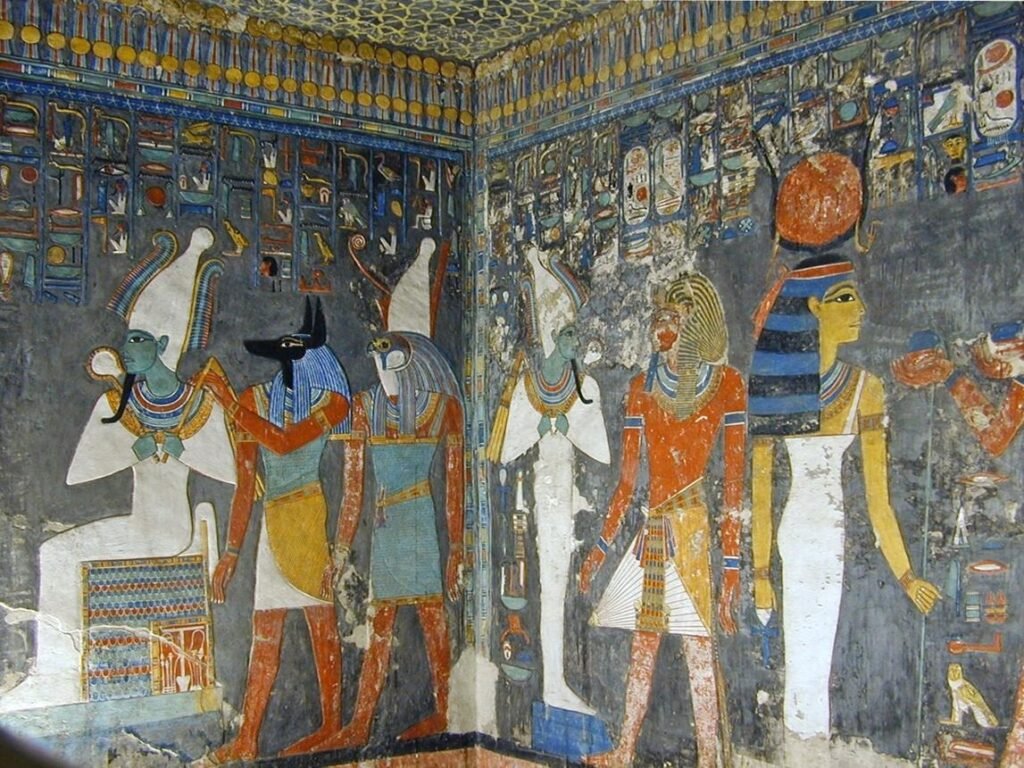
Ancient Egyptian funerary traditions connected death with the afterlife, divine judgment, and continued existence beyond earthly life. Deities such as Osiris and Anubis appeared in funerary imagery, while tomb paintings, amulets, and burial practices expressed ideas about protection and the next stage of existence. These practices varied across periods and social groups.

Ancient Greece: Mortality, memory, and the underworld
Greek mythology represented death through figures such as Hades and Charon, the ferryman associated with passage to the underworld. Funerary vases, tomb markers, and mourning scenes helped express loss and preserve memory. Greek literature also explored the tension between human mortality, heroic achievement, and the desire to be remembered.

Ancient Rome: Family, status, and remembrance
Roman funerary monuments, inscriptions, portraits, and sarcophagi could preserve a person’s name, family relationships, public achievements, and social identity. Death symbolism therefore served not only religious purposes but also the cultural purpose of remembering the dead within the wider community.
Medieval Europe and the rise of memento mori
During the Middle Ages, particularly during periods of plague, warfare, and religious uncertainty, European art frequently represented death as a reminder of the fragility of earthly life.
The Latin expression memento mori means “remember that you must die.” It became associated with images such as skulls, skeletons, extinguished candles, and decaying fruit.
These images encouraged viewers to consider mortality, moral responsibility, and the temporary nature of wealth or status. The Danse Macabre, or Dance of Death, depicted death bringing people from different social classes together, emphasizing that mortality ultimately affects everyone.
This tradition remains influential in contemporary illustration, gothic design, philosophical writing, and popular culture.
The Renaissance and vanitas art
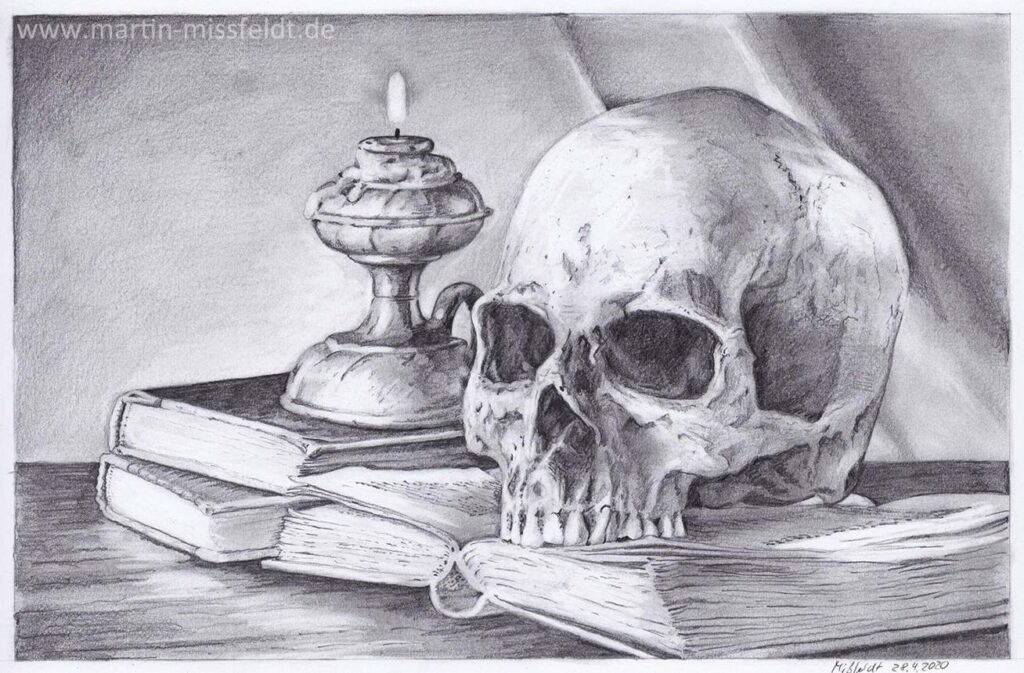
During the Renaissance and the Dutch Golden Age, artists used carefully arranged objects to communicate the relationship between beauty, knowledge, pleasure, and mortality.
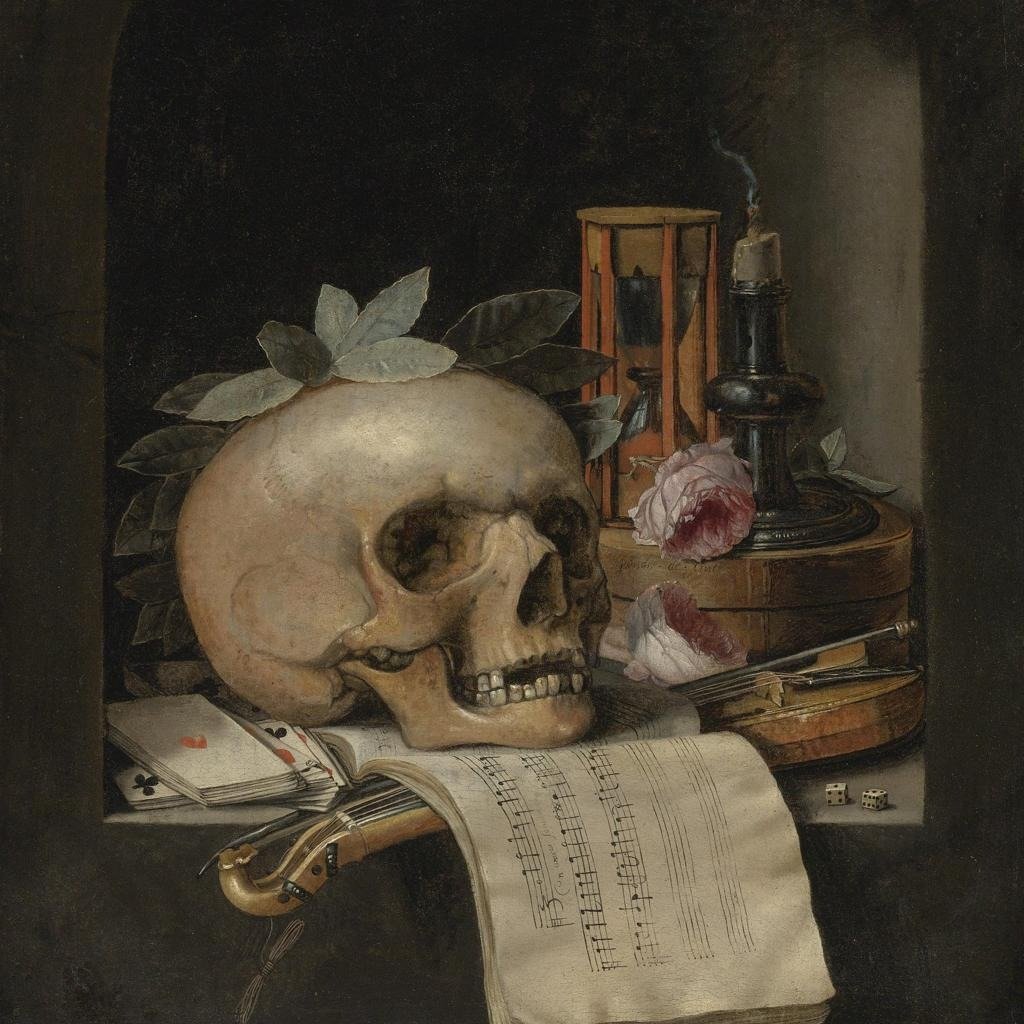
Vanitas paintings frequently included:
- Skulls, representing mortality.
- Hourglasses and clocks, representing passing time.
- Withering flowers, representing temporary beauty.
- Books and musical instruments, representing knowledge and worldly pleasures.
- Candles that had burned out, representing the end of life.
The purpose was not simply to create gloomy artwork. These paintings asked viewers to consider what remains meaningful when material possessions, physical beauty, and worldly accomplishments cannot last forever.
Death symbolism in the modern era
Modern death symbolism has expanded through photography, memorial architecture, film, graphic design, and digital communication. Memorials may use empty chairs, names engraved in stone, flowers, personal belongings, or abstract shapes to represent people who have died.
In contemporary culture, death-related symbols can also appear in environmental movements, discussions of social change, horror fiction, and artistic explorations of identity.
Historical insight: Death symbolism has never belonged to one fixed visual vocabulary. Its meaning changes as societies develop new religious beliefs, artistic styles, technologies, and ways of remembering the past.
2. Common Symbols of Death and Their Meanings
Death symbols are powerful because a single image can communicate several ideas simultaneously. The meaning often depends on the surrounding objects, the intended audience, and the cultural context.
The skull: Mortality and impermanence
A skull is among the most recognizable symbols of death. In traditional vanitas art, it reminds viewers that life is temporary. In modern visual culture, the same image may represent danger, rebellion, pirate imagery, or resistance to authority. Its interpretation depends heavily on its setting.
The raven: Mystery, death, and transformation
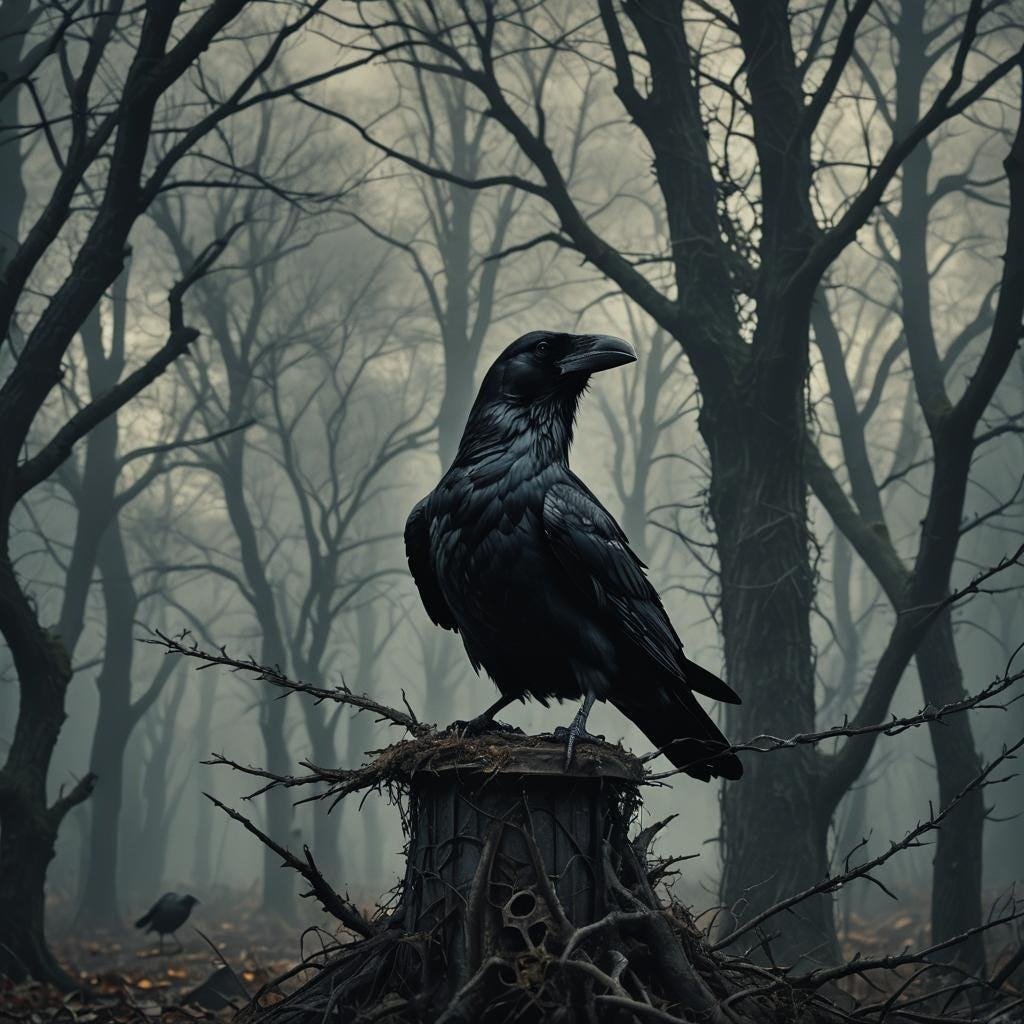
Ravens appear in folklore and literature associated with omens, battlefields, intelligence, and the unknown. Edgar Allan Poe’s poem The Raven helped establish a lasting association between the bird and grief in popular literary culture. Yet ravens are not universally regarded as symbols of death; in other traditions, they may be associated with creation, knowledge, or divine messages.

Withered flowers: The passing of beauty
A fading flower can represent aging, loss, the temporary nature of beauty, or the conclusion of a relationship or life stage. In poetry and painting, it often communicates impermanence without depicting death directly.

The extinguished candle: The end of life
A candle flame can represent life, hope, consciousness, or spiritual presence. An extinguished candle may symbolize death or the ending of a particular chapter. A lit memorial candle, by contrast, can communicate remembrance and continuing love.

Autumn leaves: Change and impermanence
Falling leaves often symbolize decline, aging, separation, and the passage of time. Because leaves return in spring, they can also suggest renewal. This dual meaning makes autumn imagery particularly effective in literature about change and personal transformation.
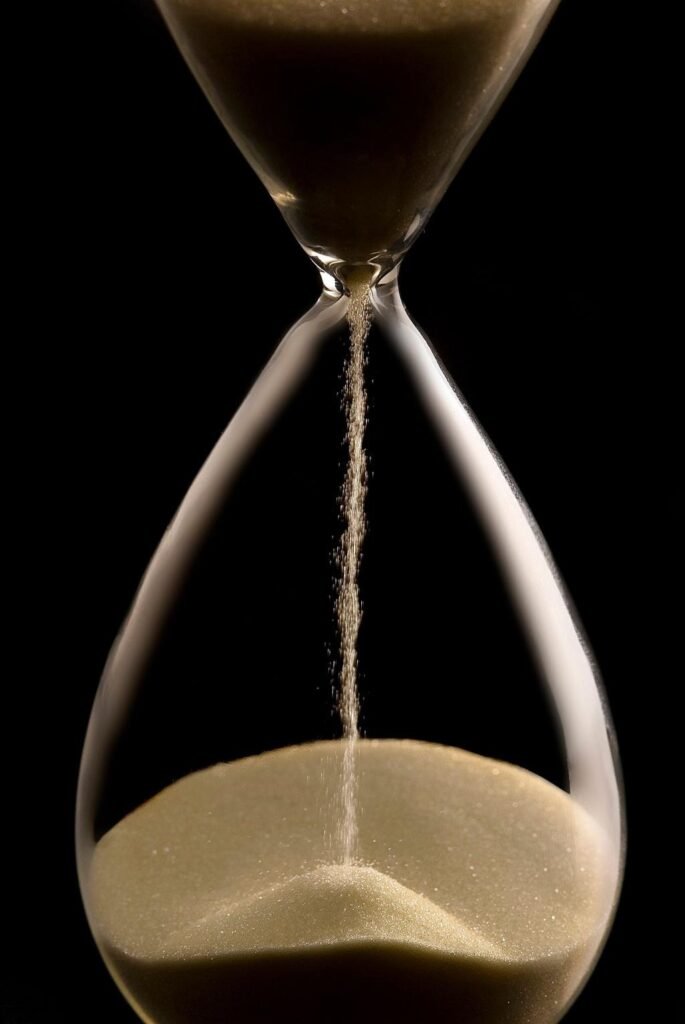
The hourglass: Time and mortality
An hourglass represents time passing in a measurable, unavoidable way. In historical art, it frequently appeared alongside skulls to emphasize the relationship between limited time and human mortality. In modern design, it may also represent urgency, deadlines, or patience.
What do different death symbols communicate?
| Symbol | Common interpretation | Possible alternative meaning |
| Skull | Mortality and death | Rebellion, danger, remembrance |
| Black clothing | Mourning and solemnity | Elegance, formality, authority |
| White flowers | Peace or remembrance | Purity, celebration, renewal |
| Raven | Mystery and ominous events | Intelligence, wisdom, spiritual messages |
| Falling leaves | Decline and endings | Seasonal renewal and natural cycles |
| Hourglass | Passing time | Patience, urgency, limited opportunity |
| Grave or tombstone | Death and remembrance | Heritage, family history, continuity |
| Butterfly | Transformation or the soul in some traditions | Freedom, change, beauty |
No symbol should be interpreted in isolation when the surrounding cultural or narrative context is available.
3. Cultural Differences in Death Symbolism
Death symbolism varies considerably between cultures. Religious teachings, funeral practices, family traditions, historical events, and local customs all influence how communities represent death.
A symbol that expresses mourning in one setting may communicate celebration or spiritual protection in another.
Death symbolism across cultures and traditions
| Culture or tradition | Examples of death symbolism | Main interpretive themes |
| Ancient Egypt | Osiris, funerary amulets, tomb paintings | Afterlife, protection, judgment |
| Ancient Greece | Hades, Charon, funerary vases | The underworld, passage, remembrance |
| Christianity | The cross, resurrection imagery, memorial candles | Sacrifice, hope, resurrection, eternal life |
| Islam | Burial, prayers for the deceased, grave markers | Mortality, accountability, remembrance, the afterlife |
| Hindu traditions | Funeral rites, cremation in many communities, cycle-of-existence imagery | Impermanence, karma, rebirth, liberation |
| Buddhist traditions | Meditation on impermanence, funerary rites, memorial practices | Change, non-attachment, continuity according to tradition |
| Mexican Día de los Muertos traditions | Marigolds, photographs, decorated altars, offerings | Family remembrance and honoring the deceased |
| Some East Asian traditions | Ancestral tablets, memorial offerings, chrysanthemums in certain contexts | Filial respect, ancestral remembrance, mourning |
These are broad examples rather than descriptions of every member of a culture or religion. Practices differ by region, denomination, family, historical period, and individual belief.
Death symbolism in Christianity
Christian death symbolism often connects death with resurrection, salvation, sacrifice, and hope beyond earthly existence.
The cross is central to Christian visual culture because it represents the crucifixion of Jesus and, within Christian theology, the significance of his resurrection. Images of empty tombs, rising light, angels, and lilies may also communicate resurrection or hope.
Funeral candles and flowers can express grief while affirming spiritual hope. The balance between mourning and hope depends on the denomination, service, and community.
Death symbolism in Islam
In Islam, death is understood within a religious framework that includes accountability before God and belief in the afterlife. Funeral practices, prayers for the deceased, burial, and remembrance provide important ways for communities to respond to loss.
A grave may symbolize the reality of human mortality, while a simple grave marker can identify the deceased and preserve remembrance. The emphasis on simplicity in many Islamic burial practices should not be reduced to one universal design rule, since local customs and legal or religious interpretations vary.
It is also important not to assume that every symbol associated with death in other cultures has an equivalent religious meaning in Islam. Cultural symbolism and Islamic doctrine are related in some contexts but are not identical.
Death symbolism in Hindu traditions
Many Hindu traditions understand death in relation to samsara, the cycle of birth, death, and rebirth, and moksha, liberation from that cycle.
Fire has an important role in many Hindu cremation traditions, although funeral practices differ by community and circumstance. In symbolic interpretation, fire can be associated with transformation and ritual transition.
The meanings of death-related objects and ceremonies are shaped by specific philosophical schools, regional traditions, and family practices. It would be inaccurate to treat all Hindu communities as having identical beliefs about the soul, rebirth, or funeral customs.
Death symbolism in Buddhist traditions
Buddhist teachings emphasize impermanence, commonly expressed through the concept of anicca in Pali. Death can therefore serve as a reminder that all conditioned things change.
Some Buddhist practices encourage reflection on mortality as a way to develop awareness, compassion, and freedom from excessive attachment. Such reflection is not necessarily pessimistic; it can help practitioners focus on ethical action and the present moment.
Buddhist traditions differ across regions and schools, so their rituals, cosmologies, and interpretations of what follows death are not completely uniform.
Día de los Muertos: Remembering rather than forgetting
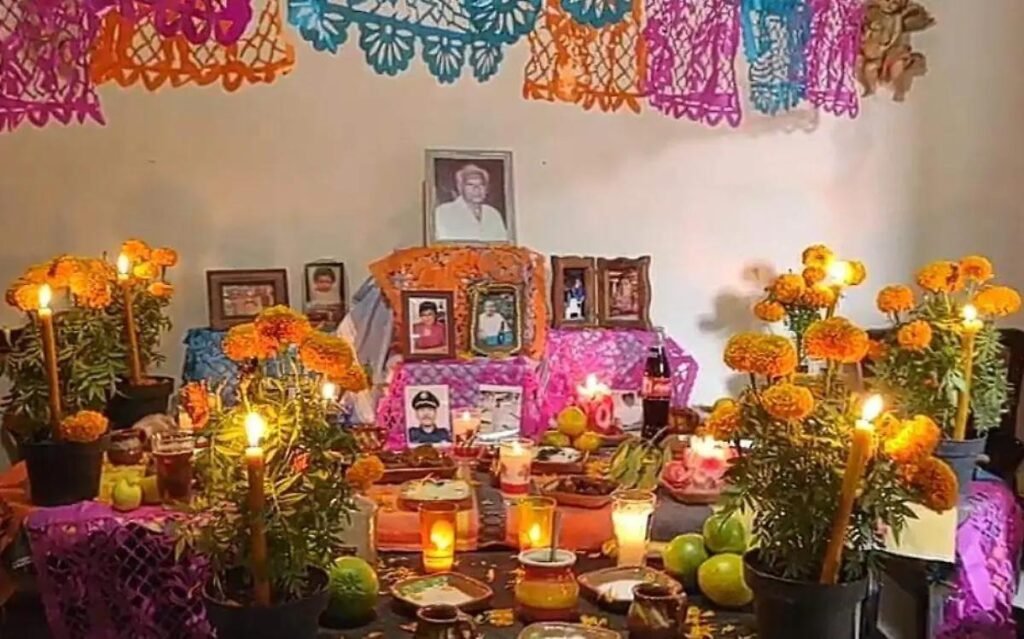
Mexico’s Día de los Muertos, or Day of the Dead, is a particularly clear example of death symbolism serving remembrance rather than simply mourning.
In many celebrations, families create ofrendas, or offerings, with photographs, candles, marigolds, food, and objects associated with deceased relatives. These items help express affection, family identity, and the continuing importance of memory.
The holiday includes Indigenous influences and Catholic traditions, with practices varying across communities. It should not be reduced to a generic Halloween aesthetic: its meanings are rooted in particular histories, relationships, and acts of remembrance.
Did You Know?
The same flower can carry different meanings across cultures. Chrysanthemums, for example, are associated with mourning and funerals in some countries, while they have different associations in others. Before using flowers in a memorial, it is worth understanding the recipient’s cultural and family traditions.
4. The Psychological Meaning of Death Symbolism
Death symbolism can help people express difficult emotions, organize memories, and reflect on the limits of human life. Its psychological significance depends on personal experience, social expectations, and the context in which the symbol appears.
A skull in a museum, for example, may encourage scientific curiosity. The same image on a memorial plaque might evoke sadness, while in a fictional story it could create suspense.
How symbols communicate grief
Grief is an individual experience, and people do not all respond to loss in the same way. Symbolic objects can nevertheless provide familiar ways to express feelings that may be difficult to articulate.
Common examples include:
- Photographs: preserving personal memories and relationships.
- Flowers: communicating sympathy, affection, respect, or remembrance.
- Memorial candles: creating a visible focus for reflection.
- Personal belongings: preserving a connection to someone’s life and identity.
- Memorial inscriptions: recording a name, relationship, belief, or meaningful phrase.
These objects do not automatically resolve grief. Their value lies in the meaning that individuals and communities give them.
Death symbolism and existential psychology
The awareness of mortality has been explored by philosophers and psychologists because it raises questions about purpose, responsibility, relationships, and meaning.
Research traditions such as terror management theory investigate how awareness of death may influence human attitudes and behavior. Findings in this area depend on the research question and experimental context; they do not establish that everyone responds to mortality in the same way.
Symbolic representations of death can help make abstract questions more concrete. A sand timer, for instance, can prompt reflection on how someone uses their time, while a family memorial can emphasize relationships and shared history.
Is death symbolism always negative?
No. Death symbolism can express sadness, fear, or loss, but it can also represent acceptance, peace, remembrance, liberation, transformation, and renewal.
Consider three different examples:
- A withered flower in a poem may communicate the end of a relationship.
- A memorial garden may represent continuing affection and peaceful remembrance.
- A tree shedding leaves before spring may symbolize the possibility of renewal after a difficult period.
The emotional meaning comes from the relationship between the symbol, its setting, and the audience’s interpretation.
5. Spiritual and Philosophical Interpretations of Death
Death symbolism has a long history of connecting physical mortality with questions that extend beyond observable experience. Spiritual and philosophical interpretations attempt to explain what death means, how people should live in its presence, and whether anything continues after physical life.
It is essential to distinguish between a tradition’s religious teachings, a philosopher’s argument, and a scientifically established claim. They may address similar questions without relying on the same methods or assumptions.
Death as a transition
Many religious traditions interpret death as a transition rather than simply an endpoint. Depending on the belief system, this transition may involve resurrection, judgment, rebirth, liberation, or continued existence in another form.
Symbols of gates, roads, bridges, journeys, and rising light can communicate this idea in religious art and storytelling. These are symbolic representations, not universal evidence that all cultures understand the afterlife in the same way.
Death as impermanence
In philosophical traditions that emphasize impermanence, death highlights a broader reality: bodies, relationships, possessions, and social arrangements change.
This perspective can encourage people to value present relationships and reconsider their priorities. A fading leaf or an hourglass becomes a visual reminder that time cannot be preserved indefinitely.
Death as transformation and renewal
Death symbolism sometimes appears when a story depicts the end of one identity and the beginning of another. A character may abandon an old way of life, a community may recover after a crisis, or a natural landscape may change through the seasons.
In such cases, death represents the conclusion of a stage rather than necessarily a literal physical death.
Expert Tip: When interpreting a death symbol, ask three questions: What is ending? What does the ending mean to the people involved? Does the surrounding story suggest loss, continuity, transformation, or some combination of these?
These questions help avoid simplistic interpretations.
6. Death Symbolism in Art and Visual Design
Artists have represented death through realistic imagery, abstract forms, color, contrast, empty space, and the deliberate absence of human figures.
Visual symbolism works through more than recognizable objects. Lighting, composition, texture, scale, and visual relationships also influence interpretation.
Color symbolism and death
Colors have no single universal meaning. Their associations are shaped by religion, cultural conventions, fashion, historical experience, and the design context.
| Color | Common death-related associations | Important qualification |
| Black | Mourning, solemnity, mystery | Also used for elegance, authority, and formality |
| White | Peace, purity, spiritual transition | Associated with mourning in some cultures and celebrations in others |
| Red | Blood, sacrifice, danger, life | May also signify love, prosperity, or celebration |
| Purple | Spirituality, dignity, mourning in some settings | Meanings vary across traditions |
| Gray | Absence, uncertainty, age, quiet reflection | Can also communicate neutrality or restraint |
| Gold | Eternity, divinity, honor, remembrance | Depends on religious and artistic context |
| Green | Nature, continuity, renewal | Can contrast with death or suggest life continuing after loss |
How artists create a sense of mortality
Artists often use visual contrasts to communicate the fragility of life.
- Light against darkness can represent hope, uncertainty, revelation, or spiritual transition.
- Living flowers beside a skull can contrast beauty with mortality.
- Empty chairs or abandoned rooms can communicate absence without showing death directly.
- Broken objects can suggest interrupted lives, lost relationships, or damaged continuity.
- Fading photographs can connect personal memory with the passage of time.
These are interpretive possibilities rather than fixed rules. An empty room may symbolize loneliness, freedom, abandonment, or anticipation depending on the artwork.
Death symbolism in architecture and memorials
Memorial architecture uses space, material, scale, and movement to create an environment for remembering the dead.
Examples include:
- Tombstones that preserve names and dates.
- Memorial walls that record individuals or communities.
- Gardens that create quiet places for reflection.
- Cenotaphs that commemorate people whose remains are elsewhere or unidentified.
- Monuments that represent collective grief, sacrifice, or historical remembrance.
The design of a memorial influences how visitors encounter memory. An enclosed space may create intimacy, while a large public monument may communicate collective significance.
A successful memorial does not need to rely on dramatic imagery. Simplicity, readable inscriptions, accessible paths, and meaningful placement can be just as important.
7. Death Symbolism in Literature, Mythology, and Storytelling
Writers use death symbolism to explore mortality, grief, fear, sacrifice, power, memory, and change. A symbol can give a story emotional depth by allowing an ordinary object or event to carry meaning beyond its literal function.
Common literary symbols of death
Ravens and crows: These birds may establish an atmosphere of mystery or foreboding. Their associations with death vary across folklore and literary traditions.
Winter: Snow, frozen landscapes, and dormant vegetation can symbolize stillness, emotional isolation, decline, or the approach of an ending.
Gardens: A neglected garden may represent loss or the fading of an earlier life. A restored garden may suggest remembrance, renewal, or the continuation of relationships through memory.
Mirrors: A mirror can prompt reflection on identity, aging, mortality, and the difference between outward appearance and inner experience.
Doors and thresholds: A doorway can represent a transition between stages of life, a passage into the unknown, or a boundary between familiar and unfamiliar worlds.
Examples from literature
In William Shakespeare’s Hamlet, reflections on mortality are central to the play’s philosophical concerns. The graveyard scene uses the physical remains of the dead to examine the limits of social status and the certainty of human mortality.
In Charles Dickens’s A Christmas Carol, the Ghost of Christmas Yet to Come uses images of death and an unmarked grave to confront Ebenezer Scrooge with the possible consequences of his life. Death becomes a catalyst for moral reflection and change.
Edgar Allan Poe’s The Raven uses a recurring bird and its presence in a grieving narrator’s room to create an atmosphere of sorrow, fixation, and uncertainty.
These works demonstrate that death symbolism can do more than signal an approaching tragedy. It can reveal character, challenge social values, or encourage readers to reconsider how they live.
Death symbolism in mythology
Mythologies around the world feature gods, guides, guardians, and journeys associated with death.
Examples include:
- Osiris in ancient Egyptian religion, associated with the afterlife and regeneration.
- Hades in Greek mythology, associated with the underworld.
- Yama in Hindu and Buddhist traditions, with roles and interpretations that differ across texts and cultures.
- The Grim Reaper in European iconographic traditions, representing death as a personified figure.
These figures should not be treated as interchangeable versions of one universal deity. Their meanings arise from distinct religious histories and cultural narratives.
8. Death Symbolism in Film, Television, and Digital Media
Modern media frequently uses death-related imagery to communicate emotion quickly. A darkened room, a fading photograph, an empty chair, or a flower placed on a doorstep can suggest loss without requiring an explicit explanation.
How films use death symbolism
Filmmakers combine visual symbols with music, editing, lighting, and camera movement to guide audience interpretation.
A sunset may mark the end of a character’s journey. A recurring object may become associated with someone who is absent. A garden that changes throughout a film may reflect the emotional development of its characters.
However, a symbol’s meaning should be established through the film itself rather than assumed from a single image.
Death symbolism in digital communication
In digital environments, people use photographs, profile changes, memorial pages, candles, flowers, and short written messages to acknowledge death and express sympathy.
Online memorials can preserve stories, photographs, and tributes across geographic distances. They may also raise questions about privacy, consent, and how a deceased person’s digital identity should be maintained.
A black profile image, for example, might communicate mourning, solidarity, or a specific social message. Its exact meaning cannot be reliably determined without context.
Myth vs. Fact
| Myth | Fact |
| Every raven is an omen of death. | Ravens have different meanings across folklore, literature, and cultures. |
| Black is the universal color of mourning. | Mourning colors vary by culture, religion, family, and historical period. |
| A skull always represents evil. | Skulls can represent mortality, remembrance, danger, or artistic reflection. |
| Death symbols are always depressing. | They can also express hope, continuity, peace, or renewal. |
| Flowers used in funerals mean the same thing everywhere. | Floral meanings depend on local traditions and personal associations. |
| A death symbol has only one correct interpretation. | Its meaning can change with the audience, setting, and narrative. |
9. Death Symbolism in Branding, Communication, and Consumer Culture
Death symbolism also appears in commercial design, fashion, entertainment branding, and public communication. Its effectiveness depends on the audience, the purpose of the message, and the cultural associations attached to the imagery.
Why brands use death-related imagery
In certain contexts, skulls, dark palettes, skeletal illustrations, and gothic lettering help establish a recognizable visual identity.
Examples include:
- Entertainment: Horror films and mystery games use skulls, shadows, and graveyard imagery to establish genre expectations.
- Fashion: Gothic and alternative fashion may use skulls to express individuality, rebellion, or an interest in mortality.
- Safety communication: Skull-and-crossbones imagery is widely associated with poison and toxic hazards, making it useful in relevant warning systems.
- Memorial services: Restrained typography, flowers, and muted colors can communicate dignity and remembrance.
- Environmental communication: Dead trees, bleached coral, and damaged landscapes can symbolize ecological loss or environmental decline.
These examples illustrate why context matters. A skull on a warning label has a different communicative purpose from a skull in a fashion illustration.
Semiotics: How death symbols communicate meaning
Semiotics is the study of signs and how they create meaning. It provides a useful framework for understanding death symbolism.
Three concepts are particularly helpful:
- Icon: A sign that resembles what it represents. A drawing of a tombstone can depict a recognizable tombstone.
- Index: A sign connected to something through an actual or perceived relationship. An abandoned memorial site may indicate neglect or the passage of time.
- Symbol: A sign whose meaning depends largely on learned conventions. Black clothing as a sign of mourning is a familiar example in cultures where that convention exists.
These categories can overlap. A photograph of a deceased person can resemble the person, document their presence at a particular time, and acquire symbolic meaning for a family.
For designers and communicators, the practical lesson is straightforward: a symbol becomes effective when its intended audience can understand it within the appropriate context.
10. Common Mistakes When Interpreting Death Symbolism
Death symbolism is easy to oversimplify because familiar images often seem to carry obvious meanings. Careful interpretation requires more than identifying an object.
Mistake 1: Assuming every symbol is universal
Black clothing is associated with mourning in many communities, but not everywhere. Always consider the cultural context before interpreting a color or object.
Mistake 2: Confusing religious doctrine with cultural custom
A funeral practice may reflect a combination of religious teachings, regional traditions, family preferences, and practical circumstances. These influences should not automatically be treated as identical.
Mistake 3: Treating every dark image as a death symbol
Darkness may represent uncertainty, privacy, nighttime, mystery, fear, or emotional isolation. A death-related interpretation should be supported by the surrounding imagery or narrative.
Mistake 4: Assuming transformation always means literal death
Writers often use death as a metaphor for the end of an identity, relationship, institution, or phase of life. Such imagery can communicate change without referring to physical death.
Mistake 5: Ignoring personal experiences
A flower, song, photograph, or particular location may have a deeply personal meaning for someone who associates it with a deceased relative. That meaning may not be obvious to an outside observer.
Mistake 6: Presenting spiritual beliefs as scientific facts
Claims about an afterlife, reincarnation, or spiritual messages belong to specific religious or philosophical frameworks. They should be described accurately as beliefs or teachings unless a particular claim can be established through appropriate evidence.
11. Practical Applications of Death Symbolism
Understanding death symbolism is useful in education, creative work, cultural research, visual communication, and personal remembrance.

Literature and education
Students can examine recurring images, colors, characters, and natural events to identify themes of mortality, grief, and renewal. Comparing two works from different historical periods helps reveal how cultural assumptions shape symbolism.
Graphic design and memorial materials
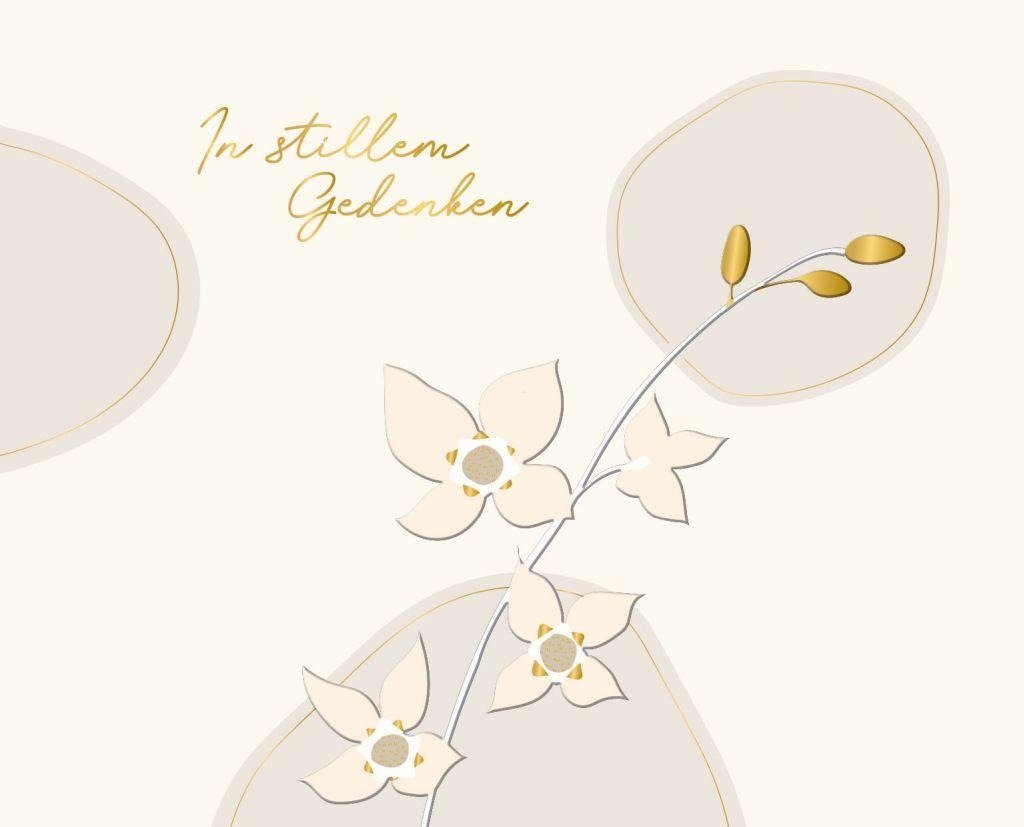
Designers can use flowers, restrained typography, meaningful photographs, and carefully selected colors to create respectful memorial cards, remembrance posters, and commemorative publications. Cultural preferences should guide the final design.
Art and creative storytelling
Artists and writers can combine contrasting symbols, such as a fading flower beside a new bud, to communicate loss alongside renewal. The strongest interpretation usually emerges from how the symbols relate to the whole composition.

Cultural research and remembrance
Researchers can study grave markers, memorial gardens, family photographs, and funeral customs to explore how communities preserve memory. Ethical research should respect the beliefs, privacy, and preferences of the people involved.
A simple framework for analyzing a death symbol
When examining a symbol in a painting, film, poem, ritual, or design, use this five-step approach:
- Identify the symbol. Is it an object, color, animal, natural event, character, or ritual?
- Describe its immediate context. What other elements appear beside it?
- Research its cultural background. Which historical or religious associations are relevant?
- Consider its function. Does it communicate grief, mortality, remembrance, transformation, or another idea?
- Allow for alternative interpretations. What might someone from a different background understand?
This method produces stronger interpretations than relying on a universal dictionary of symbols.
12. Key Insights: What Death Symbolism Teaches Us
Death symbolism reveals how people use familiar images to explore difficult questions about existence, memory, identity, and change.
Its most important insights include:
- Mortality: Skulls, hourglasses, and fading flowers can remind viewers that life is finite.
- Remembrance: Photographs, inscriptions, candles, and memorial objects preserve connections with people who have died.
- Spiritual meaning: Religious symbols can express beliefs about resurrection, rebirth, judgment, liberation, or the afterlife.
- Transformation: Seasonal imagery, thresholds, and journeys can represent the end of one stage and the beginning of another.
- Cultural identity: Funeral rituals and memorial traditions reflect the values and histories of particular communities.
- Visual communication: Color, composition, and familiar imagery allow artists and designers to express complex ideas without extensive explanation.
No single symbol explains every aspect of death. The most accurate interpretation emerges from the interaction between the image, its history, its cultural setting, and the people who encounter it.
Frequently Asked Questions About Death Symbolism
1. What is the most common symbol of death?
The human skull is one of the most widely recognizable symbols of death and mortality. It appears in historical vanitas paintings, memorial art, warning signs, and popular culture. However, flowers, graves, skeletons, and extinguished candles are also common symbols, and no single image is universal across all cultures.
2. What colors symbolize death and mourning?
Black is associated with mourning in many Western and other cultural contexts. White is used for mourning in some East and South Asian traditions, while purple, gray, and other colors may have funerary or memorial associations in particular settings. Color meanings vary by region, religion, historical period, and family tradition.
3. What does death symbolize in literature?
In literature, death can symbolize mortality, grief, sacrifice, injustice, the consequences of human actions, or the end of a particular stage of life. Writers may use skulls, winter, ravens, fading flowers, graves, and journeys to develop these themes. The surrounding plot and characterization determine which interpretation is most appropriate.
4. Does death symbolism always represent something negative?
No. Death symbolism can communicate sorrow, fear, and loss, but it can also express peace, acceptance, remembrance, spiritual hope, and transformation. A memorial garden, for example, may honor a deceased person while celebrating the memories and relationships that continue to matter to those who remain.
5. What is the difference between death symbolism and memento mori?
Death symbolism is the broader practice of using images, objects, rituals, and ideas to represent death or related concepts. Memento mori is a specific Latin expression meaning “remember that you must die,” associated particularly with reminders of mortality in philosophy, religious reflection, and European art. Memento mori is therefore one important tradition within the wider subject of death symbolism.
6. Why do different cultures use different symbols for death?
Cultures develop death symbols through religious beliefs, historical experiences, environmental influences, artistic traditions, and funeral customs. A color, flower, or animal may acquire meaning through repeated use in ceremonies, stories, or community practices. Because these histories differ, death symbolism should always be interpreted within its cultural and historical context.
Conclusion: Why Death Symbolism Still Matters
Death symbolism remains significant because it gives people a way to communicate ideas that are emotionally complex, culturally important, and often difficult to express directly.
From ancient Egyptian funerary art to medieval memento mori, from religious ceremonies to modern films and digital memorials, death-related imagery has helped people represent mortality, grief, remembrance, spiritual belief, and transformation. Skulls, candles, ravens, flowers, and autumn leaves may all suggest death, but their meanings change with context.
Understanding death symbolism requires historical awareness, cultural sensitivity, psychological insight, and careful interpretation. It also means distinguishing documented history from religious belief and personal meaning.
For students, writers, artists, designers, and cultural researchers, the subject offers a practical lesson in visual communication: symbols are not simply images with fixed definitions. They are part of a larger system of meaning shaped by human experience.
By learning how these symbols work, we can interpret art and literature more thoughtfully, create more culturally respectful designs, and better understand how communities remember the dead while continuing to make meaning in the present.

